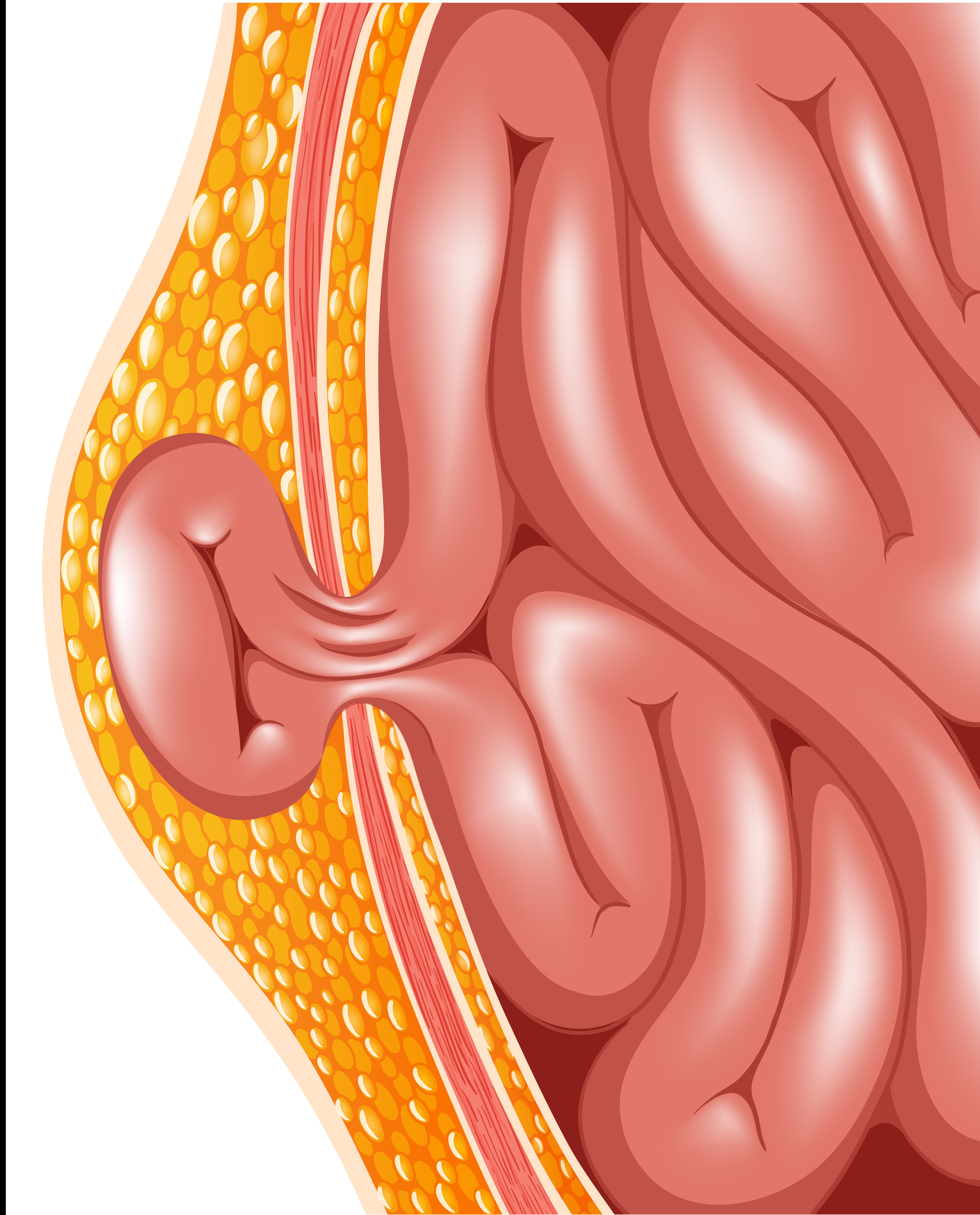
A hernia occurs when tissue or an internal structure pushes through a weak area in the surrounding muscle or abdominal wall. Some hernias cause little discomfort initially, while others gradually enlarge or interfere with daily activity. When surgery is recommended, asking the right questions before choosing a Hernia Surgery Hospital can help patients understand both the procedure and recovery process.
For people seeking hernia care in Pune, Maharashtra, evaluation should begin with the type and characteristics of the hernia rather than an assumption that every patient requires identical treatment.
What Type of Hernia Do I Have
Hernias can occur in different locations.
Common examples include inguinal, umbilical, incisional, and femoral hernias. Previous surgery, age, physical activity, body weight, occupation, and other factors may influence presentation.
The location, size, symptoms, reducibility, and previous surgical history can affect treatment planning.
Patients should first ask the surgeon to explain exactly what type of hernia has been identified.
Does My Hernia Require Surgery
Not every hernia presents with the same level of urgency.
Some may be monitored after medical assessment, while symptomatic, enlarging, or complicated hernias may require surgical repair.
A hernia that suddenly becomes very painful, firm, difficult to push back, or associated with vomiting and abdominal symptoms can require urgent evaluation.
Patients should understand why surgery is recommended in their particular case and whether delaying treatment carries additional risk.
Which Surgical Technique Is Appropriate
Hernia repair may be performed using an open or laparoscopic approach depending on the type of hernia, patient characteristics, previous operations, surgeon assessment, and available facilities.
Mesh may be used in many repairs to reinforce the weakened area, although the specific technique varies.
Instead of focusing only on incision size, patients should ask why a particular method is suitable for their condition.
What Will Recovery Involve
Recovery expectations can influence work, travel, caregiving, and physical activity.
Before admission, clarify:
- Expected length of hospital stay
- Pain-management plan
- When walking can begin
- Wound-care instructions
- Lifting restrictions
- Return-to-work guidance
- Follow-up requirements
People whose jobs involve heavy physical work may need different recovery planning from those with desk-based roles.
Is the Hospital Prepared for My Medical Needs
Patients with diabetes, obesity, cardiovascular disease, respiratory conditions, or previous abdominal surgery may need additional assessment before an operation.
A multispeciality environment can support preoperative evaluation when other medical conditions must be considered.
Pawar Multispeciality Hospital in Pune provides general surgical, laparoscopic, diagnostic, and associated medical care for patients undergoing evaluation for conditions such as hernia.
Choosing a Hernia Surgery Hospital becomes easier when patients focus on practical questions rather than promotional claims. A clear diagnosis, appropriate surgical technique, anesthesia planning, infection-control practices, postoperative monitoring, and realistic recovery guidance are all important parts of the decision.
Being prepared before surgery also helps patients organize work leave, transportation, home assistance, and follow-up care so that recovery can proceed according to medical advice.
Keywords