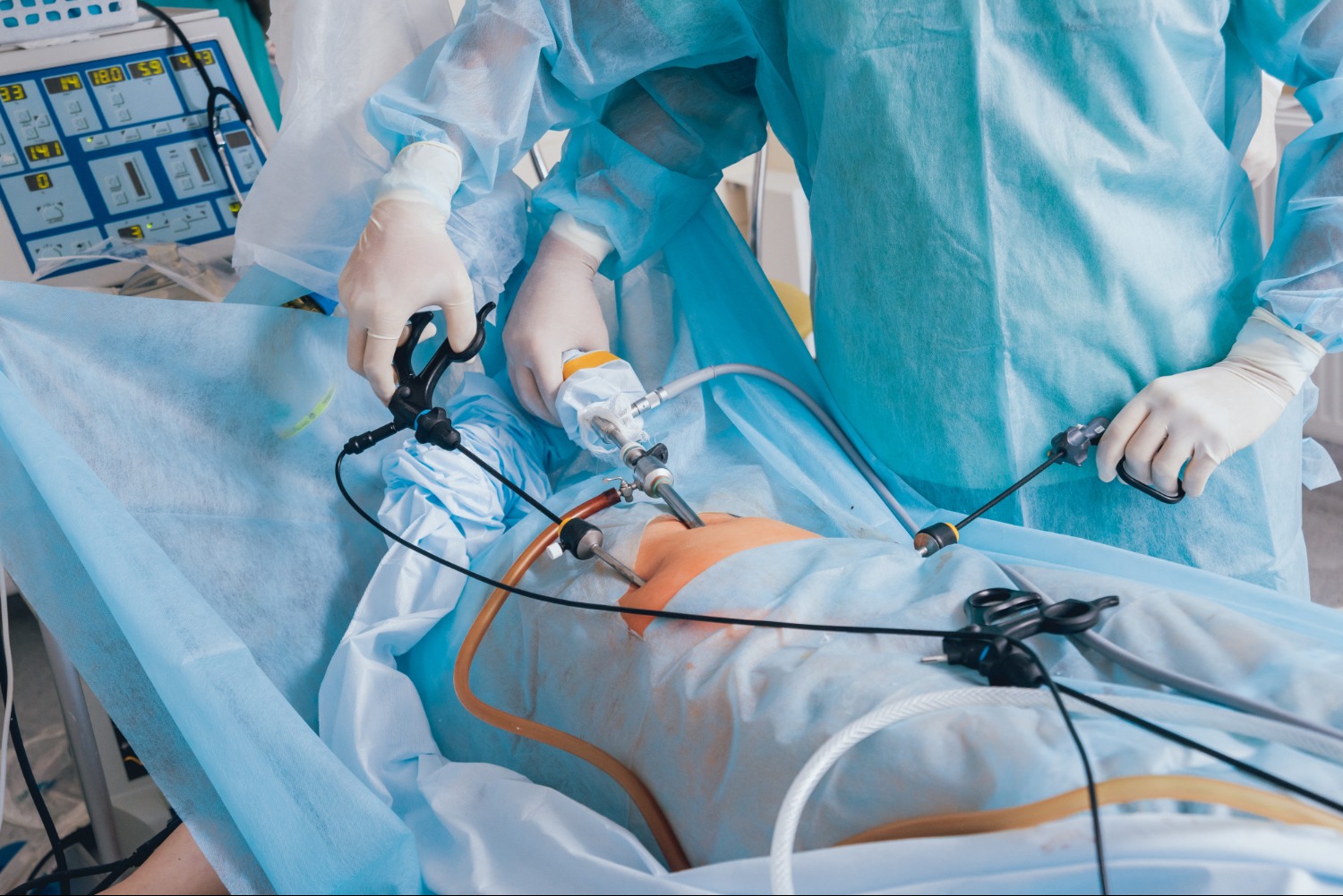
Surgery does not always require a large incision. For many abdominal and pelvic procedures, surgeons may use minimally invasive techniques that allow treatment through several smaller openings. Patients evaluating a Laparoscopy Surgery Hospital should understand how this approach works, which conditions may be suitable, and why surgical assessment remains necessary before choosing a technique.
In Pune, Maharashtra, laparoscopic surgery is used across several specialties, particularly for selected general surgical and gynecological procedures.
How Laparoscopic Surgery Works
During laparoscopy, a surgeon inserts a camera known as a laparoscope through a small incision. The camera provides a magnified view of the internal surgical area on a monitor.
Additional small openings may be created for specialized surgical instruments.
The exact technique varies according to the procedure, the patient’s anatomy, previous operations, and the condition being treated.
Conditions Commonly Considered for Laparoscopy
Laparoscopic techniques may be used for selected cases involving:
- Gallbladder disease
- Appendicitis
- Hernias
- Certain colorectal conditions
- Some gynecological procedures
- Other abdominal conditions
Suitability is determined individually. A procedure that can usually be performed laparoscopically may still require another surgical approach in a particular patient because of disease severity, previous surgery, anatomy, or unexpected findings.
Why Patients Consider Minimally Invasive Surgery
Smaller incisions can offer practical recovery advantages for appropriately selected patients. Depending on the operation and individual circumstances, patients may experience less incision-related discomfort, smaller scars, and earlier mobilization.
Hospital stay and return to normal activities can also differ from traditional open surgery for some procedures.
These potential benefits should not be interpreted as meaning that laparoscopic surgery is minor. It remains an operation requiring anesthesia, sterile surgical facilities, clinical monitoring, and appropriate postoperative care.
What Patients Should Ask Before Surgery
A useful preoperative discussion should cover more than whether a procedure is laparoscopic.
Patients can ask:
- Why is surgery necessary?
- Is laparoscopy appropriate for this diagnosis?
- What investigations are required?
- Is conversion to open surgery sometimes necessary?
- What should be expected after the operation?
- When can eating, walking, working, and exercising resume?
The answers vary significantly between procedures.
Hospital Infrastructure Still Matters
Minimally invasive surgery requires trained surgical teams, appropriate equipment, anesthesia support, sterilization systems, diagnostic services, and postoperative monitoring.
Pawar Multispeciality Hospital provides surgical and diagnostic services for patients in Pune who are being assessed for conditions that may require laparoscopic intervention.
Choosing a Laparoscopy Surgery Hospital should therefore involve more than searching for small-incision surgery. Patients benefit from understanding the diagnosis, the surgeon’s proposed approach, alternatives, expected recovery, and circumstances in which the surgical plan might need to change.
Minimally invasive techniques have expanded the options available for many surgical conditions, but the most appropriate procedure remains the one selected after careful clinical assessment of the individual patient.
Keywords