Appendicitis often begins with symptoms that can resemble ordinary digestive discomfort. The difference is that inflammation of the appendix can progress and become a medical emergency. Recognizing symptoms that justify evaluation at an Appendix Treatment Hospital is therefore important, particularly when abdominal pain becomes progressively worse.
People experiencing acute abdominal symptoms in Pune and surrounding areas of Maharashtra should pay attention to how pain develops rather than relying only on its initial intensity.
How Appendicitis Pain Commonly Develops
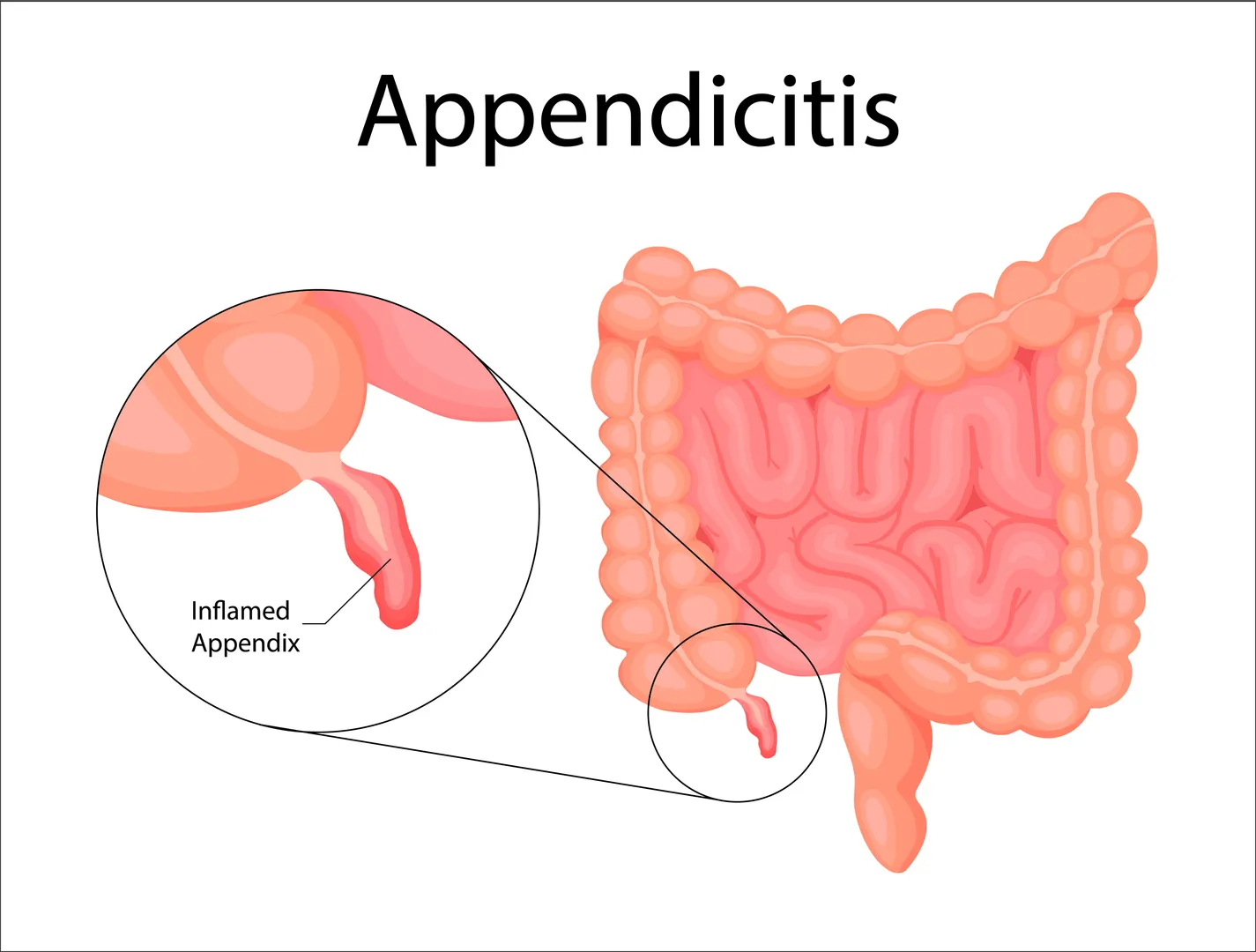
Appendicitis occurs when the appendix becomes inflamed. Symptoms vary, but abdominal pain is usually the most recognizable feature.
Pain may initially be felt around the navel and later become more focused in the lower right side of the abdomen. It can intensify with movement, coughing, or pressure.
Other possible symptoms include:
- Loss of appetite
- Nausea
- Vomiting
- Fever
- Abdominal tenderness
- Changes in bowel habits
- A feeling of abdominal bloating
Not everyone develops the classic pattern. Children, older adults, and pregnant women can sometimes experience less typical symptoms.
Why Waiting Can Be Risky
Abdominal pain has many possible causes, including indigestion, gastroenteritis, urinary problems, kidney stones, gallbladder conditions, and gynecological disorders.
Because these conditions can overlap in presentation, attempting to diagnose appendicitis based solely on symptoms can be difficult.
If inflammation progresses, the appendix can perforate. This can allow infection to spread within the abdominal cavity and make treatment more complex.
Increasing pain, persistent vomiting, fever, severe abdominal tenderness, or a rapidly worsening general condition requires prompt medical evaluation.
What Happens During Hospital Assessment
Doctors typically begin with a detailed history and abdominal examination. They assess the location and progression of pain and look for tenderness and other clinical signs.
Blood and urine tests may help identify inflammation and exclude certain alternative causes. Ultrasound or CT imaging may be used when necessary to clarify the diagnosis.
The decision about treatment is based on the overall clinical picture rather than one symptom or test result.
How Appendicitis Is Managed
When appendicitis requires surgery, removal of the appendix is known as an appendectomy. Depending on the patient’s condition and surgical assessment, this may be performed using laparoscopic techniques or another appropriate surgical approach.
Hospital monitoring is important because treatment also involves managing pain, hydration, infection risk, and recovery after the procedure.
Pawar Multispeciality Hospital provides surgical and diagnostic care for patients in Pune who require assessment of abdominal conditions. Having diagnostics and surgical services within the same healthcare setting can support timely evaluation when appendicitis is suspected.
The most useful rule for patients is straightforward. Abdominal pain that is worsening, becoming localized, or occurring with fever, vomiting, or marked tenderness should not be repeatedly treated as routine indigestion. Timely examination helps establish the cause and ensures that conditions such as appendicitis receive appropriate attention.
Keywords