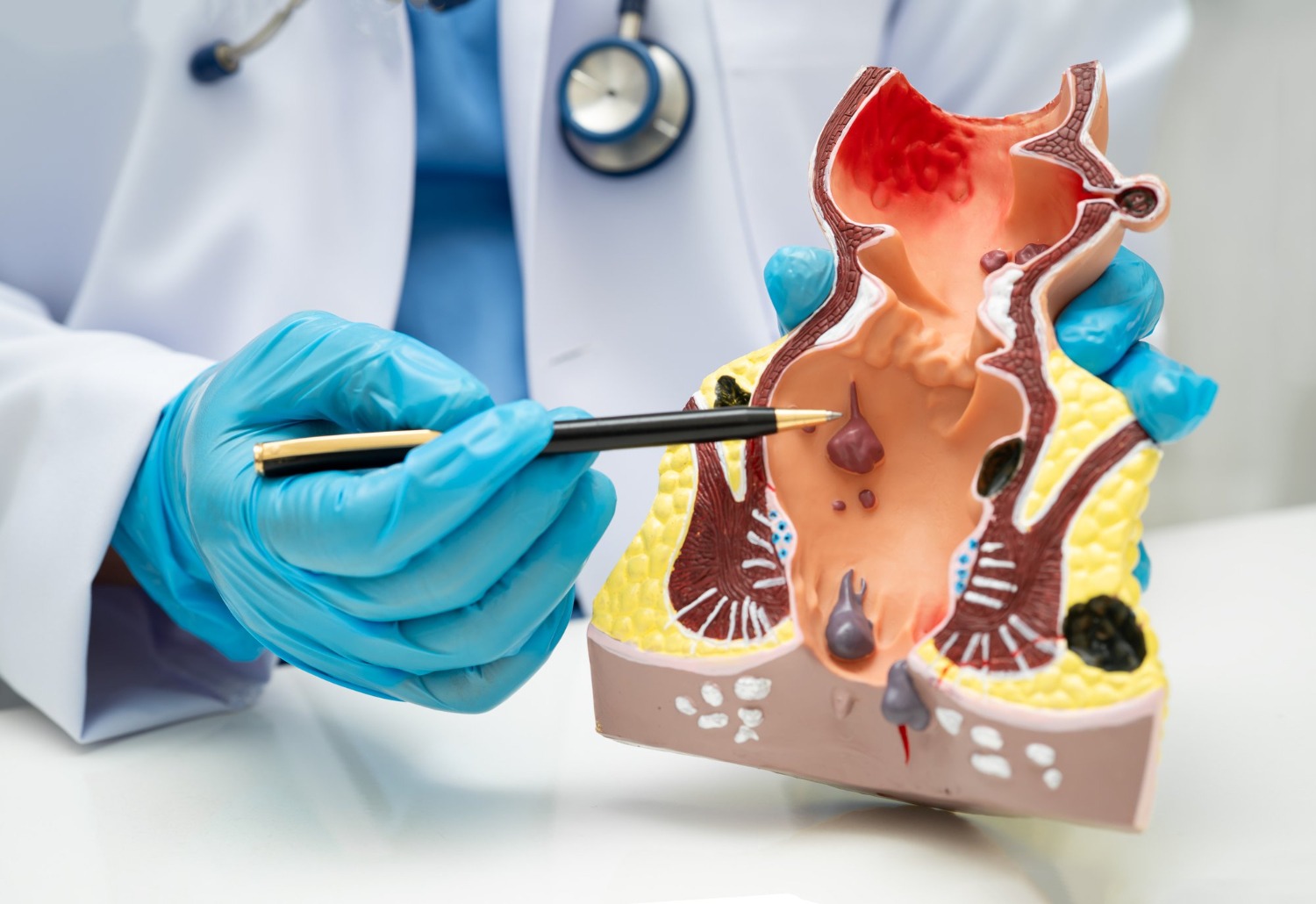
Hemorrhoids, commonly called piles, can cause bleeding, itching, discomfort, swelling, or tissue that protrudes during bowel movements. Mild symptoms may improve with changes in bowel habits and medical treatment, but persistent or advanced problems sometimes lead patients to consider procedural options. Evaluation at a Laser Piles Surgery Hospital can help determine whether laser-based treatment is appropriate for the individual condition.
For patients in Pune and other areas of Maharashtra, it is useful to understand that rectal bleeding should first be correctly diagnosed. Not every episode of bleeding is caused by piles, and treatment should begin only after appropriate clinical evaluation.
Confirm That the Problem Is Actually Piles
Several anorectal conditions can produce similar symptoms.
Anal fissures, infections, polyps, inflammatory bowel conditions, and other colorectal problems can sometimes cause pain or bleeding. This makes self-diagnosis unreliable.
A doctor may ask about the color and frequency of bleeding, bowel habits, constipation, pain, swelling, prolapse, medications, and family medical history.
Physical examination and additional investigations may be advised depending on age, symptoms, and clinical findings.
Understand the Grade and Severity
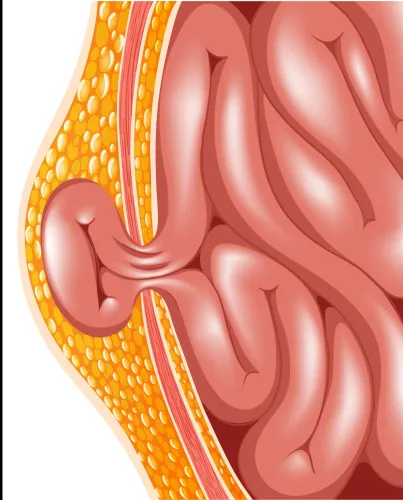
Internal hemorrhoids are commonly classified according to the degree of prolapse.
Some remain inside the anal canal, while others may protrude during bowel movements and either return naturally or require manual reduction. More advanced hemorrhoids can remain prolapsed.
Treatment decisions depend on severity, symptoms, response to previous treatment, and whether other anorectal conditions are present.
Try Appropriate Conservative Measures When Suitable
Early hemorrhoidal symptoms may improve when constipation and straining are addressed.
Doctors may recommend measures such as:
- Increasing dietary fibre
- Drinking adequate fluids
- Avoiding prolonged straining
- Maintaining regular physical activity
- Improving toilet habits
- Using prescribed medication when appropriate
These measures remain important even when a procedure is eventually required because hard stools and excessive straining can continue to aggravate the anal region.
Know What Laser Treatment Means
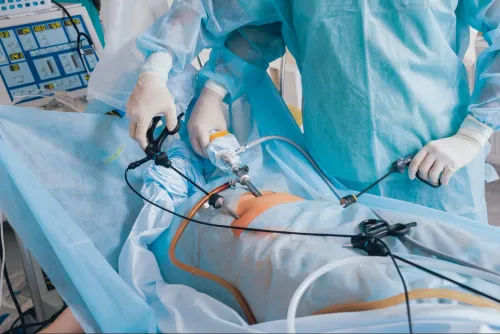
Laser techniques can be used in selected hemorrhoid procedures. Their suitability depends on the type and grade of hemorrhoids, anatomy, symptoms, associated conditions, and the surgeon’s assessment.
Patients should avoid assuming that “laser” automatically means painless treatment, instant recovery, or zero possibility of recurrence. Every procedure has indications, limitations, recovery requirements, and potential risks.
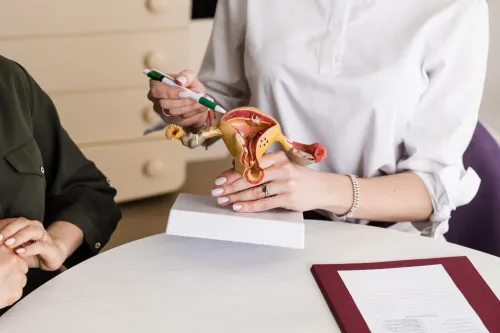
A useful consultation should explain why a particular technique is recommended and what alternatives are available.
Check Surgical and Diagnostic Readiness
When choosing a Laser Piles Surgery Hospital, patients should consider colorectal evaluation, surgical facilities, anesthesia support, postoperative monitoring, hygiene protocols, and follow-up care.
Pawar Multispeciality Hospital in Pune provides surgical and diagnostic services for patients requiring assessment of piles and other colorectal concerns within a multispeciality setting.
Persistent bleeding, recurrent prolapse, significant discomfort, anemia-related concerns, or symptoms that do not improve with conservative care deserve medical evaluation. The goal is not simply to select the newest procedure. It is to establish the correct diagnosis and choose a treatment appropriate to the severity and characteristics of the condition.
For patients considering laser piles surgery, understanding the diagnosis, expected recovery, bowel-management requirements, possible alternatives, and follow-up plan provides a much stronger basis for making a treatment decision.
Keywords