
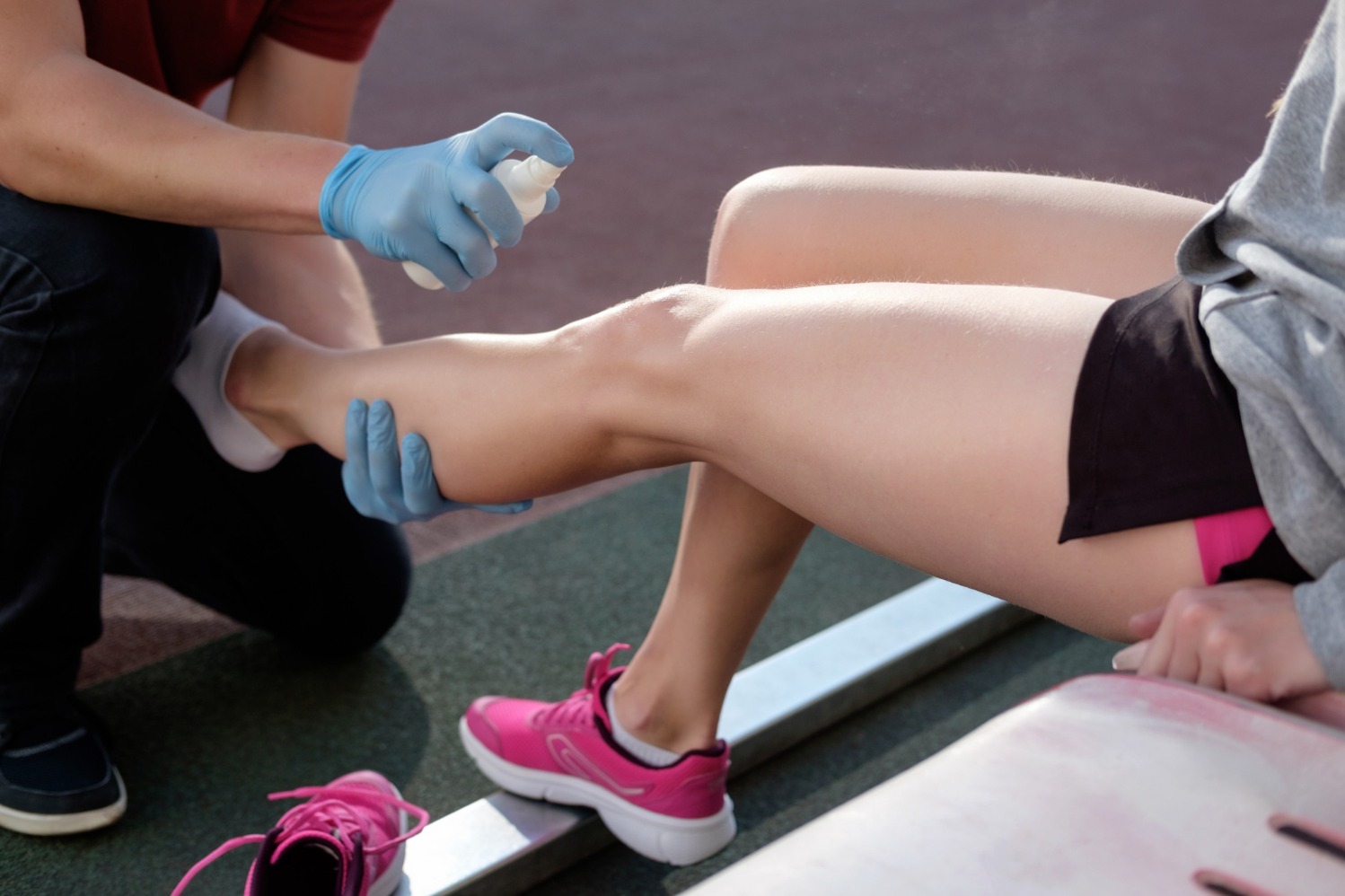
Sports injuries can affect competitive athletes, recreational players, runners, gym users, and people who simply remain physically active. While minor strains often improve with rest and gradual rehabilitation, persistent pain, instability, swelling, or restricted movement may require assessment at a Sports Injury treatment Hospital.
Choosing appropriate care in Pune involves more than finding a facility that treats joint pain. Sports injury management should identify the damaged structure, determine its severity, and create a realistic pathway back to activity.
Check Whether Diagnosis Comes Before Treatment
Different injuries can produce surprisingly similar symptoms. Knee pain may involve ligaments, cartilage, meniscus, tendons, or bone. Shoulder pain can arise from instability, rotator cuff problems, impingement, or other causes.
A detailed history and physical examination should guide the diagnostic process. X-rays, ultrasound, MRI, or other investigations may be recommended according to clinical findings.
Starting repeated treatments without identifying the underlying injury can delay appropriate recovery.
Look for Both Non-Surgical and Surgical Options
Many sports injuries do not require surgery. Physiotherapy, controlled loading, strength training, medication, bracing, and activity modification may be sufficient.
Certain ligament injuries, unstable joints, significant meniscal problems, fractures, or other structural damage may require surgical assessment.
A hospital that can evaluate both pathways helps patients receive treatment based on the injury rather than assuming that every sports problem requires the same approach.
Assess Rehabilitation Planning
Successful recovery is not defined simply by reduced pain.
For an active patient, important goals can include restoring:
- Range of motion
- Muscle strength
- Joint stability
- Balance
- Coordination
- Sport-specific movement
- Confidence during activity
Returning to sport too early can expose healing tissues to excessive stress. On the other hand, unnecessarily prolonged inactivity can lead to weakness and reduced conditioning.
A structured rehabilitation plan should therefore include progression criteria rather than relying only on a fixed number of rest days.
Ask About Arthroscopy When Relevant
Arthroscopy is a minimally invasive technique used to diagnose and treat selected joint conditions through small incisions. It may be considered for certain knee, shoulder, and other joint problems.
However, arthroscopy is not automatically required for every sports injury. The decision depends on the damaged structure, severity of symptoms, response to conservative care, and functional needs of the patient.
Consider the Full Care Environment
A Sports Injury treatment Hospital should ideally provide access to orthopedic evaluation, imaging, surgical facilities when required, physiotherapy planning, and postoperative follow-up.
Pawar Multispeciality Hospital serves patients in Pune, Maharashtra, who require orthopedic and surgical assessment alongside diagnostic support. A coordinated setting can be valuable when an injury requires more than one stage of care.
For patients comparing treatment options, the most useful question is not simply how quickly they can return to activity. The better question is whether strength, movement, stability, and healing have progressed enough for a safe return. A carefully planned recovery can protect both short-term performance and long-term joint health.
Keywords


