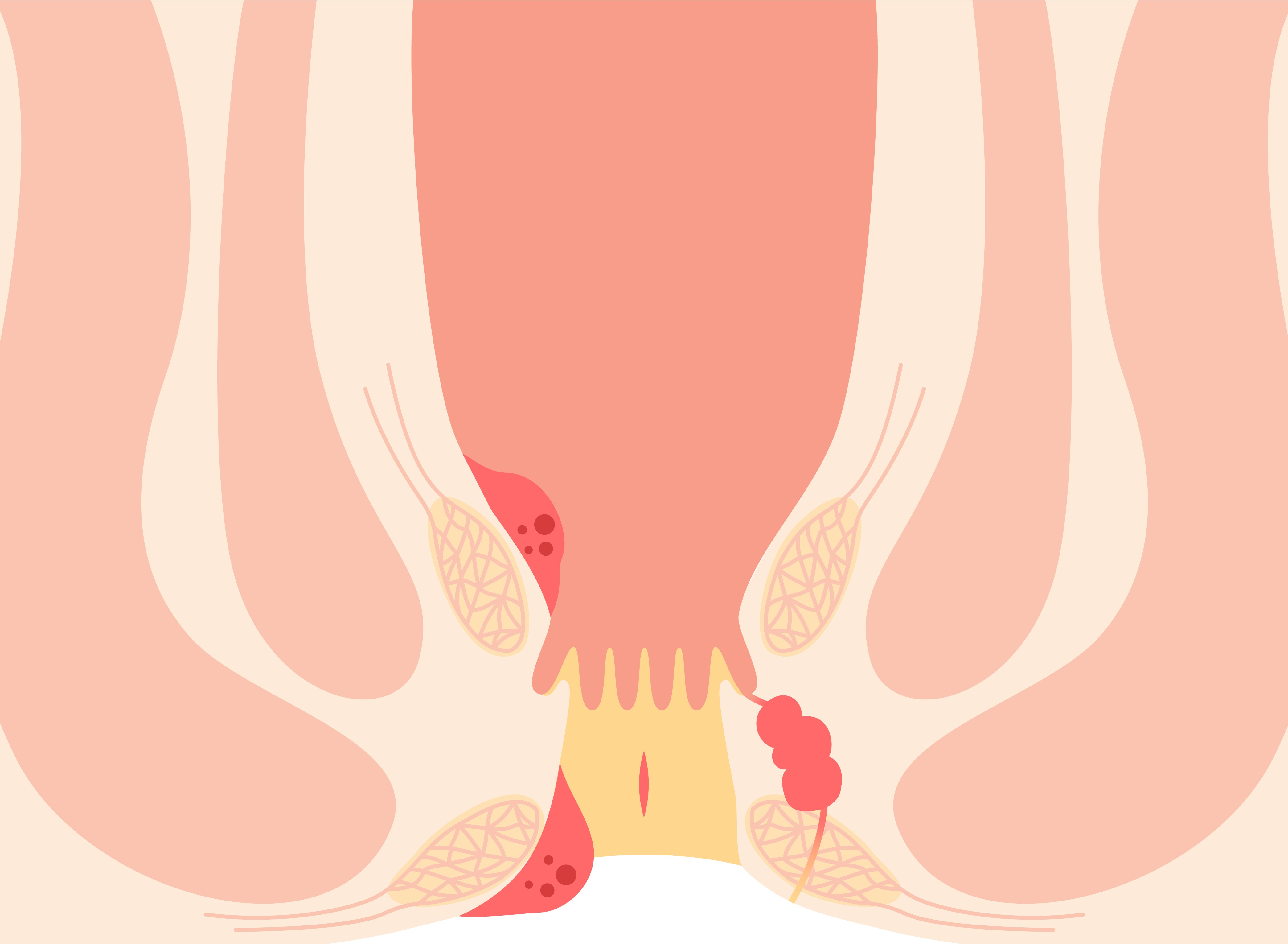
An opening near the anus, repeated pus drainage or a swelling that keeps returning can indicate an anal fistula, but not every fistula needs the same specialist or operation. You will learn how to identify the condition, recognise urgent symptoms, compare treatment choices and check whether a Pune hospital offers the right diagnostic and continence-preserving care.
Key takeaways
- Seek urgent care for fever, worsening pain, spreading redness or difficulty passing urine.
- MRI pelvis helps map complex fistula tracts and their relationship to the sphincter.
- Fistulotomy heals straightforward tracts directly; setons and other methods protect continence.
- Compare hospitals by colorectal expertise, imaging access, follow-up and emergency support.
What an anal fistula is—and which fistula you may have
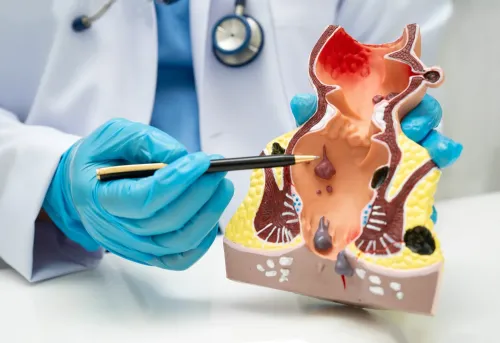
An anal fistula is an abnormal tunnel connecting the anal canal or rectum to the skin near the anus. It often develops after a perianal abscess drains but leaves an infected tract behind.
Persistent or intermittent pus, blood, or fluid from a small opening, recurrent tender swelling, and pain that eases after drainage are more typical than ordinary piles.
| Condition | What it is | Clue that distinguishes it |
|---|---|---|
| Piles | Swollen veins inside or around the anus | Bright-red bleeding, itching, or a lump without a pus-draining tunnel |
| Anal fissure | A small tear in the anal lining | Sharp, tearing pain during and after passing stool |
| Perianal abscess | A pocket of pus beside the anus | Rapidly increasing pain, swelling, fever, or difficulty passing urine |
| Pilonidal sinus | An infected tract in the cleft above the anus, usually near the tailbone | An opening higher in the buttock cleft, away from the anal opening |
| Anal fistula | A persistent tunnel from the anal canal or rectum to nearby skin | Repeated discharge or swelling from an opening near the anus |
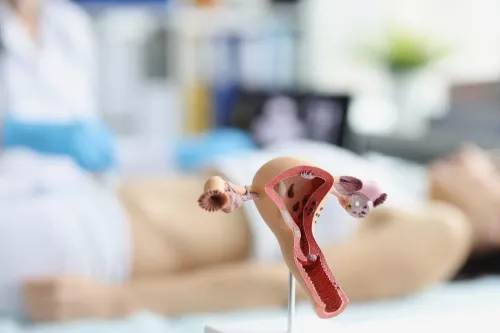
The word fistula does not always mean an anal fistula. A rectovaginal fistula connects the rectum to the vagina; a vesicovaginal fistula connects the bladder to the vagina and can cause continuous urine leakage through the vagina. An arteriovenous fistula is a surgically created blood-vessel connection for haemodialysis.
Therefore, when comparing a fistula hospital in Pune, match the condition to colorectal surgery, urology, urogynecology, or pelvic-reconstructive expertise.
Symptoms that need a fistula assessment or urgent care
Persistent or intermittent pus or blood discharge from an external opening near the anus is a strong reason to arrange a fistula assessment. Recurrent perianal abscess, tender swelling, pain that eases after the swelling drains, bleeding, or difficulty sitting also fit this pattern more than ordinary piles.
| Situation | What it suggests | What to do |
|---|---|---|
| Intermittent pus or blood discharge | A draining fistula tract | Arrange a colorectal or general surgical assessment |
| Recurrent perianal abscess | An underlying tract that keeps trapping infection | Do not rely on repeated drainage alone |
| Fever with increasing pain or swelling | An active or spreading abscess | Seek urgent medical care |
| Difficulty passing urine, confusion or faintness | Severe infection or pressure from swelling | Go to an emergency department |
An abscess can empty through the skin and make the pain improve without closing the original tunnel. The internal opening inside the anal canal remains, so stool bacteria can re-enter the tract and cause another abscess. Antibiotics can help control surrounding infection, but they do not usually seal an established fistula.
Seek urgent treatment today for fever, severe or escalating perianal pain, rapidly enlarging swelling, confusion, faintness, or inability to pass urine. Do not wait for a routine appointment if you feel systemically unwell.
Repeated episodes, multiple openings, or a history of Crohn’s disease need prompt specialist assessment because the tract may branch and treatment must protect the anal sphincter.
How doctors map the tract and judge its continence risk
The skin opening shows where pus exits, not the fistula’s full route. A clinician examines the opening, feels for a cord under the skin, performs a digital rectal examination and uses anoscopy to look for an internal opening inside the anal canal.
If the path is unclear, an MRI pelvis with fistula protocol maps branches, hidden abscesses and the tract’s relationship to the anal sphincter muscle. Endoanal ultrasound can show how much sphincter surrounds the tunnel.
Examination under anaesthesia allows a more complete inspection and probing without pain limiting the assessment; it is especially useful when imaging and examination do not agree.
Treatment planning changes with the map:
- Low, simple fistulas cross little sphincter muscle, so fistulotomy may offer reliable healing with a lower continence risk.
- High fistulas pass through more sphincter; cutting across them can cause leakage, so drainage with a seton or a sphincter-sparing procedure such as LIFT or an advancement flap may be preferred.
- Complex fistulas have multiple branches, abscesses, horseshoe extensions or substantial sphincter involvement, requiring imaging and staged treatment rather than a single cut.
- Recurrent fistulas need a search for a missed branch, retained infection or an incorrect diagnosis before another operation.
- Crohn’s-associated fistulas can be multiple and recurrent. Assessment for inflammatory bowel disease and coordinated medical treatment are important, while unnecessary sphincter-cutting surgery can be particularly hazardous.
Fistula treatment choices: direct healing versus sphincter protection
A fistulotomy usually gives the most direct route to healing by opening the tract, but it cuts through some sphincter muscle. That trade-off suits a low, simple fistula with limited muscle involvement—not a high or branching tract where continence protection matters more.
| Option | What it does | Main trade-off |
|---|---|---|
| Fistulotomy | Opens the tract along its length so it heals from the base | Strong healing option for suitable low tracts; cutting more sphincter raises continence risk |
| Seton placement | Leaves a loop through the tract to maintain drainage and control infection | A draining seton is often temporary or staged, not proof of cure; ask whether it will stay long-term or precede another procedure |
| LIFT procedure | Closes the tract in the space between sphincter muscles | Preserves the main sphincter but suits selected anatomy |
| Advancement flap | Covers the internal opening with healthy tissue | Avoids deliberate sphincter division, though healing can fail or the fistula can recur |
| Fibrin glue | Fills and seals the tract with injectable adhesive | Minimally invasive, but results are less predictable |
| Bioprosthetic plug | Uses a tissue-based plug to block the tract | Avoids sphincter cutting, but displacement, infection or recurrence can occur |
| Staged treatment | Controls sepsis first, then performs definitive closure later | Takes longer but can protect continence in complex or inflamed fistulas |
No procedure is universally suitable. The choice depends on tract height, sphincter involvement, branching, previous operations, continence, active infection and Crohn’s disease. MRI findings and examination under anaesthesia can change the plan; Crohn’s-associated disease also needs coordinated medical treatment.
How to compare a fistula hospital in Dhankawadi and nearby Pune areas
Choose the specialist before you choose the neighbourhood. A fistula hospital in Dhankawadi, a fistula hospital in Katraj, a fistula hospital in Bibwewadi or a fistula hospital in Kondhwa should match the fistula type, not merely advertise “fistula surgery.”
Check these points before booking:
| Check | Why it matters | What to verify |
|---|---|---|
| Anal fistula expertise | The operation must protect the anal sphincter | Colorectal or appropriately trained general surgeon |
| Urinary or rectovaginal fistula care | These require different reconstruction skills | Urologist, urogynecologist or pelvic-reconstructive team |
| Imaging and diagnosis | Complex or recurrent tracts need accurate mapping | Pelvic MRI with fistula protocol, endoanal ultrasound or examination under anaesthesia |
| Treatment plan | A draining seton often controls infection without curing the tract | Whether it is temporary, long-term or part of staged repair |
| Aftercare | Wound problems and continence symptoms need review | Named postoperative appointments and access to anaesthesia support |
Ask about the cause as well. Crohn’s disease, previous pelvic surgery, childbirth, radiation or cancer can change imaging, timing, medical treatment and the need for biopsy. Continuous urine leakage through the vagina needs urinary-fistula assessment, not routine anal-fistula treatment.
Pawar Multispeciality Hospital Dhankawadi, Pune can enter this comparison for patients seeking local surgical assessment, but confirm which specialist will manage your fistula, whether MRI referral is available, and what happens if the tract requires staged or continence-preserving treatment. Availability of maternity or fertility care alone does not prove fistula-repair expertise.
Related service
General Surgery Best Piles, Fissure & Fistula Surgery Hospital in Dhankawadi, Bibwewadi, Kondhwa, Pune Are you suffering from piles (hemorrhoids), fissure, or fistula and looking for the best surgical treatment in Pune? At Pawar Multispeciality... View service → |
Frequently asked questions
What is an anal fistula?
An anal fistula is an abnormal tunnel between the anal canal or rectum and nearby skin, often left after a perianal abscess drains.
Which symptoms need urgent fistula care?
Seek urgent assessment for fever, rapidly worsening pain, spreading redness or swelling, pus with feeling unwell, or difficulty passing urine.
How do doctors map an anal fistula?
Doctors examine the external opening and anal canal, then use pelvic MRI or another suitable test to identify the tract, internal opening and sphincter involvement.
How is fistula treatment chosen?
Treatment depends on tract complexity, sphincter involvement, previous operations and continence risk. Fistulotomy may suit a low, straightforward tract, while setons or sphincter-sparing procedures protect muscle in higher-risk cases.
How should you compare a fistula hospital in Pune?
Check colorectal surgical experience, access to pelvic MRI and anaesthesia, emergency abscess care, continence-focused treatment planning and structured follow-up.
Keywords