An orthopedic problem does not always require surgery, and not every injury belongs in a routine appointment. You will be able to identify emergency warning signs, understand why tests are ordered, compare hospital capabilities, and prepare useful questions before choosing treatment.
Key takeaways
- Use emergency care for limb-threatening injuries or severe circulation loss.
- Choose an orthopedic surgeon for persistent pain, weakness or restricted movement.
- Compare surgeon expertise, imaging, infection control and rehabilitation support.
- Ask about alternatives, risks, recovery milestones and discharge arrangements.
When should you visit an orthopedic surgeon instead of a GP, physiotherapist or emergency department?
Choose the starting point by urgency: use an emergency department for limb-threatening injury, an orthopedic surgeon consultation for persistent function-limiting problems, and a GP or physiotherapist for uncomplicated symptoms.
- An open fracture, obvious deformity or dislocated joint
- Severe pain after a fall, inability to bear weight, or rapidly increasing swelling
- Loss of limb sensation or pulse, or a cold or blue foot
Do not wait for a clinic appointment if pain and swelling escalate rapidly with a tight, tense limb. Suspected compartment syndrome can permanently damage muscles and nerves as pressure cuts off blood flow. A suspected hip fracture also needs prompt admission, not routine review.
For a medically fit patient, surgery is commonly planned on the admission day or the following day; correct anemia, anticoagulation, dehydration, electrolyte imbalance or uncontrolled diabetes promptly rather than creating avoidable delay.
| Starting point | Suitable example | What happens next |
|---|---|---|
| GP | Mild back, muscle or joint pain without injury, deformity or weakness | Initial examination, medicines or referral |
| Physiotherapist | Stable stiffness, weakness or movement loss after assessment | Exercise-based rehabilitation |
| Orthopedic surgeon | Persistent pain, locking, instability or reduced function despite conservative care | Examination and targeted imaging |
| Emergency department | Open injury, suspected fracture, dislocation, vascular change or compartment syndrome | Immediate assessment and stabilization |
For dislocated joint treatment Pune Dhankawadi Katraj searches, choose emergency assessment when the joint is visibly out of place; do not attempt to relocate it yourself.
Which orthopedic tests explain the pain, weakness or loss of movement?
The right test depends on what the examination suggests: bone injury, joint damage, nerve involvement, infection or a soft-tissue problem. Ordering an MRI for every ache adds cost and delay without answering a useful clinical question.
| Test | Question it answers | When it applies |
|---|---|---|
| Orthopedic X-ray | Is there a fracture, arthritis, dislocation or alignment problem? | First-line assessment for many injuries, painful joints and suspected bone deformity |
| MRI | Is a ligament, tendon, cartilage, meniscus, disc or bone marrow injured? | MRI for joint pain when the result could change treatment |
| CT scan | What is the exact shape of a complex fracture or joint surface? | CT scan for orthopedic evaluation, spinal bony anatomy and preoperative planning |
| Ultrasound | Is there tendon damage, fluid or a superficial soft-tissue abnormality? | Selected tendon assessments, guided injections and musculoskeletal ultrasound in Pune |
| Blood tests | Is there anemia, inflammation, infection or a treatment risk? | Targeted testing before medicines, contrast studies or surgery |
A complete blood count can identify anemia or infection clues. C-reactive protein and erythrocyte sedimentation rate help assess inflammation or infection; kidney-function tests matter before some medicines or contrast studies, glucose control matters before surgery, and coagulation tests matter when bleeding risk or anticoagulant use is relevant.
Ask what clinical question each test answers and whether its result will change management. Bring the original image files, not only phone photographs, along with the written radiology reports.
How do doctors decide between physiotherapy, medicines, injections, bracing, arthroscopy and open surgery?
Doctors choose treatment step by step, using the diagnosis, pain level, function, examination findings, symptom duration, health risks and your goals. Stable injuries and early degenerative symptoms often start with activity modification, physiotherapy, weight management where relevant, medicines and a brace.
- Physiotherapy or orthopedic surgery: Start with rehabilitation when strength, movement and stability can improve without an operation.
- Medicines or bracing: Use these to control pain, inflammation or loading while the underlying condition is monitored.
- Injection: Consider it for selected patients who need temporary symptom relief. Discuss infection, bleeding and blood-sugar effects where relevant; an injection does not repair every structural problem.
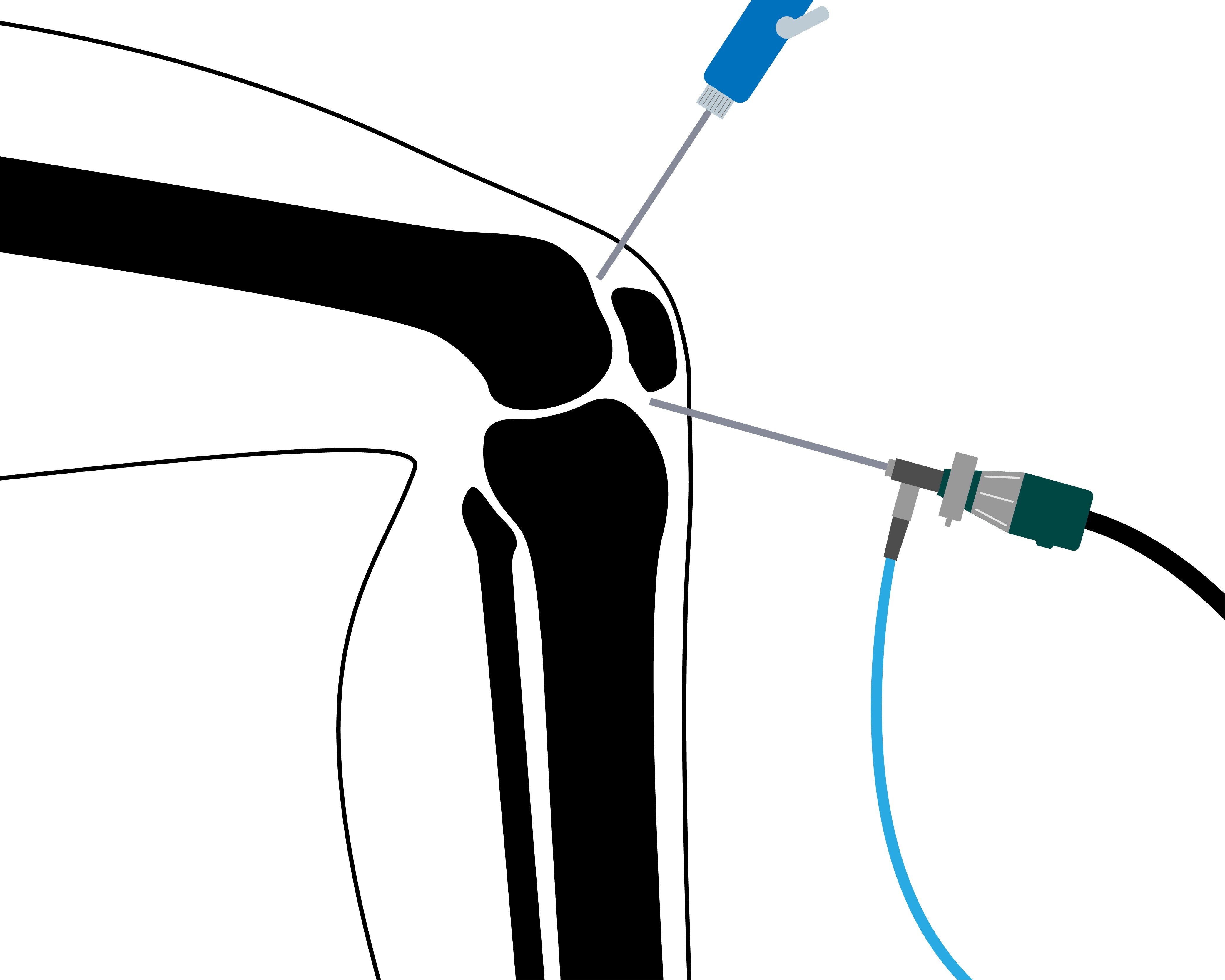
- Arthroscopy for knee pain: Reserve it for defined mechanical or traumatic problems. Routine lavage or debridement for uncomplicated degenerative knee osteoarthritis is usually a poor trade-off because it rarely provides important lasting improvement over nonsurgical care.
- Open surgery: Consider it for unstable fractures, major deformity, advanced joint damage or failure of less-invasive treatment to restore safe function.
An X-ray abnormality alone does not settle a knee replacement decision. Persistent pain and functional limitation should continue despite appropriate nonsurgical treatment, and examination findings should match the images.
Before choosing among these orthopedic surgery alternatives, compare the expected benefit with recovery time, complication risk and continued nonsurgical care. Surgery becomes less attractive when imaging looks severe but your pain, movement and daily function remain acceptable.
How can you compare an orthopedic surgery hospital in Pune?
Compare an orthopedic surgery hospital Pune patients can reach quickly by checking capability, safety and total cost—not by relying on a “best” label. Whether you are assessing an orthopedic hospital Dhankawadi, an orthopedic hospital Katraj Bibwewadi Kondhwa, or an orthopedic hospital near Undri Wanowrie Swargate, confirm the named consultant performs your exact procedure.
Fracture fixation, joint replacement, arthroscopy, spine surgery and rehabilitation require different teams and equipment.
Check these services before admission:
- 24-hour emergency access, on-site X-ray and the imaging your operation needs
- Anesthesiology support, a functioning operating room, infection-control procedures, physiotherapy and intensive-care backup
- Current accreditation scope, consultant availability and emergency service hours
- A written implant record listing manufacturer, model, size, lot or serial details where applicable
Ask how the hospital uses the WHO Surgical Safety Checklist before anesthesia, before skin incision and before leaving the operating room. The checks should cover identity, procedure, surgical site, allergies, antibiotic prophylaxis and instrument counts.
Request an itemized estimate separating surgeon and anesthetist fees, operating-room charges, implant brand and cost, imaging, tests, medicines, room category, physiotherapy, readmission and likely complication or revision costs. Pawar Multispeciality Hospital Dhankawadi, Pune is one facility you can assess using these same questions.
| Feature | Verify | Why it matters |
|---|---|---|
| Emergency access | 24-hour coverage and intensive-care backup | Delays can worsen serious injuries |
| Operating pathway | Anesthesia, infection control and checklist use | Reduces preventable surgical harm |
| Recovery support | Physiotherapy and follow-up arrangements | Determines rehabilitation after discharge |
What should you ask before orthopedic surgery, and how should you prepare for discharge?
Before you consent, write down your questions before orthopedic surgery: What is the exact diagnosis? What procedure is proposed, what benefit should it deliver, and what nonsurgical alternatives remain? Ask about anesthesia, hospital-stay length, complication risks, return-to-work timeline, rehabilitation schedule and the hospital’s checks for identity, procedure, surgical site, allergies, antibiotics and instrument counts.
| Ask about | Confirm before admission | Confirm before discharge |
|---|---|---|
| Implant | Brand, model, size and implant documentation, including lot or serial details where applicable | Keep the record for recalls, insurance and future revision care |
| Blood-clot prevention | Mechanical methods, anticoagulant prophylaxis or both, based on clot risk, bleeding risk, operation and mobility | Exact medicine, dose and duration; do not start or stop it without instructions |
| Recovery | Walking aids, weight-bearing limits and prescribed physiotherapy | Wound care, permitted weight-bearing, medicines, review date and contact number |
Good orthopedic surgery preparation means bringing previous X-rays or MRI scans, radiology reports, medication and allergy lists, diabetes or blood-pressure records and insurance documents. Obtain written instructions for fasting, medication changes, bathing, arrival time and required tests; these vary by operation and anesthesia. Arrange transport, an adult at home, help with stairs and rehabilitation.
Seek urgent review for worsening pain or swelling, fever, wound drainage, chest pain, breathlessness, a cold or blue limb, or new numbness. Ask for written orthopedic discharge instructions before leaving.
Frequently asked questions
When should you visit an orthopedic surgeon instead of a GP, physiotherapist or emergency department?
Use emergency care for an open fracture, major deformity, uncontrolled bleeding, a cold or blue limb, or numbness after injury. See an orthopedic surgeon for persistent pain, weakness, instability or restricted movement. A GP or physiotherapist suits uncomplicated symptoms without red flags.
Which orthopedic tests explain pain, weakness or loss of movement?
A clinician may assess gait, joint range, strength, sensation, reflexes, swelling and stability. X-rays show bone alignment and fractures; ultrasound examines tendons and fluid; MRI shows ligaments, cartilage, discs and other soft tissue. Blood tests help investigate infection or inflammatory disease.
How do doctors decide between physiotherapy, medicines, injections, bracing, arthroscopy and open surgery?
The decision depends on the diagnosis, symptom duration, functional limitation, imaging findings, previous treatment and your health risks. Doctors usually match the least invasive effective option to the problem, reserving arthroscopy or open surgery for conditions that need repair, reconstruction, decompression or replacement.
How can you compare an orthopedic surgery hospital in Pune?
Compare the surgeon’s experience with your procedure, access to imaging and anesthesia, emergency support, infection-prevention processes, implant information, physiotherapy coordination and transparent written estimates. Confirm who handles complications and follow-up after discharge.
What should you ask before orthopedic surgery, and how should you prepare for discharge?
Ask for the diagnosis, surgical goal, alternatives, risks, implant details, anesthesia plan, expected hospital stay, pain plan and warning signs. Before discharge, arrange transport, medicines, wound supplies, mobility aids, home help, follow-up and written weight-bearing or exercise instructions.