Choosing laparoscopic surgery involves more than finding a hospital that uses the word “keyhole.” You need to identify the right procedure and specialist, understand when open surgery is safer, prepare correctly, and compare the hospital’s emergency, anaesthesia and follow-up arrangements before booking.
Key takeaways
- Ask which operation, technique and surgeon experience fit your diagnosis.
- Compare ICU access, anaesthesia, imaging and emergency support before booking.
- Confirm fasting, medicines, tests, consent and discharge arrangements before admission.
- Seek urgent help for severe pain, breathlessness, fever or persistent vomiting.
What laparoscopy is—and which operations may use it
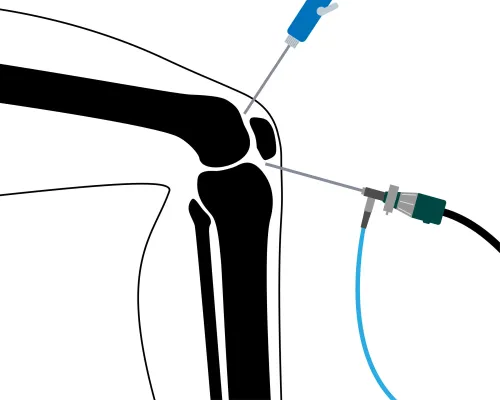
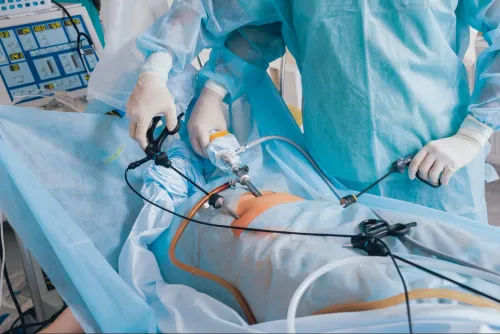
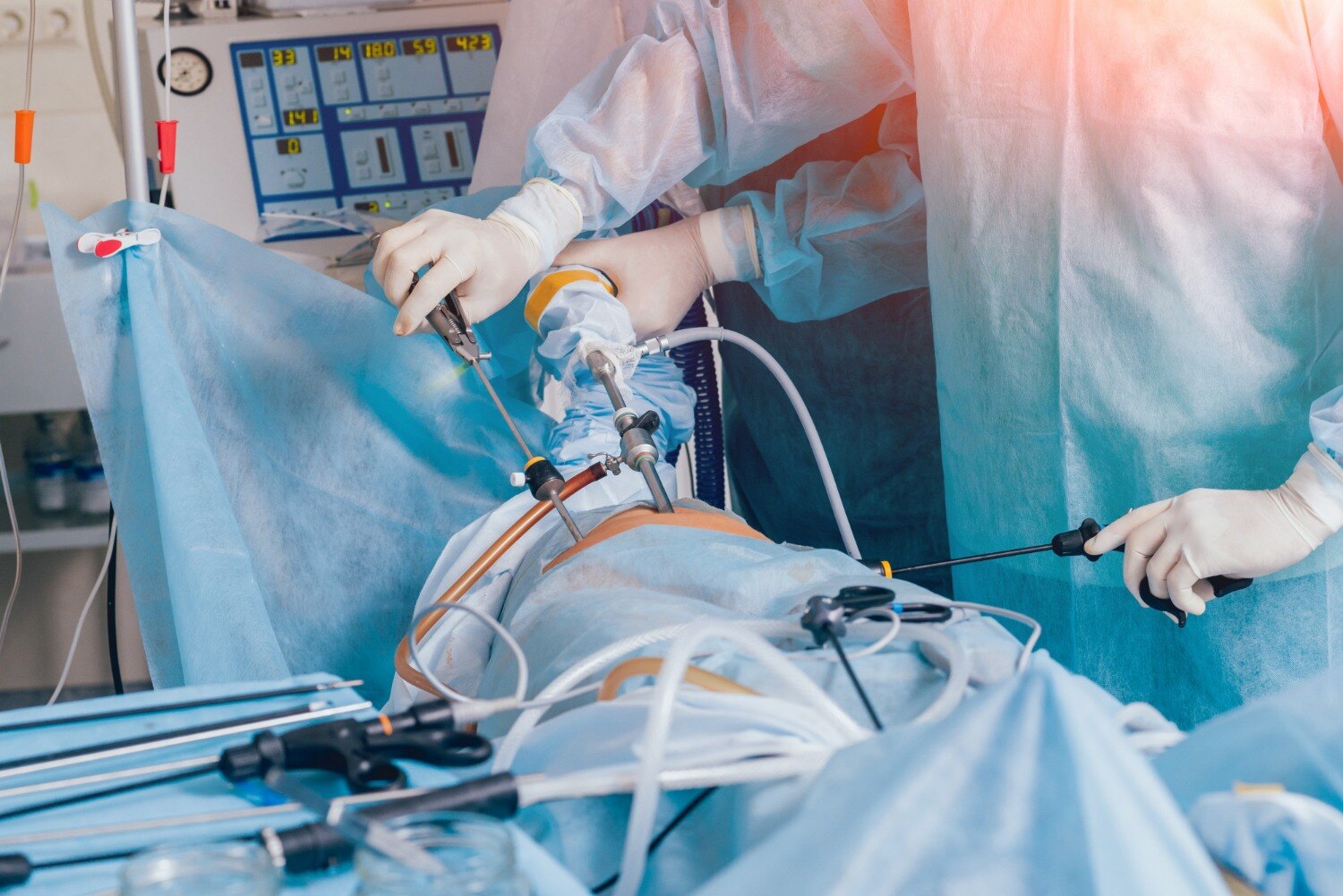
In plain language, the laparoscopy meaning is keyhole surgery: a surgeon operates through small abdominal incisions rather than one large opening. General anaesthesia for laparoscopy keeps you unconscious and pain-free. The surgeon uses carbon dioxide insufflation to gently expand the abdomen, inserts a camera, and guides instruments while viewing a magnified image on a monitor.
The gas is removed before the incisions are closed.
Laparoscopy is an approach, not one operation. Procedures that may use it include:
- Diagnostic laparoscopy to inspect abdominal or pelvic organs
- Gallbladder removal and appendectomy
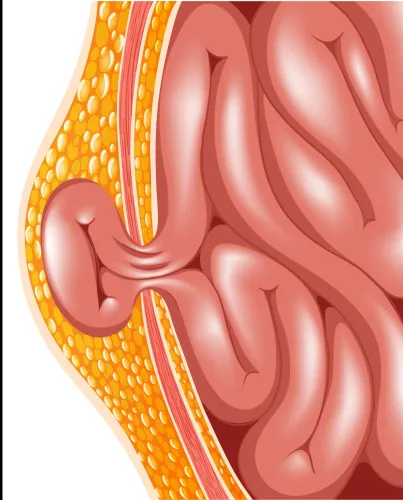
- Groin, umbilical and incisional hernia repair
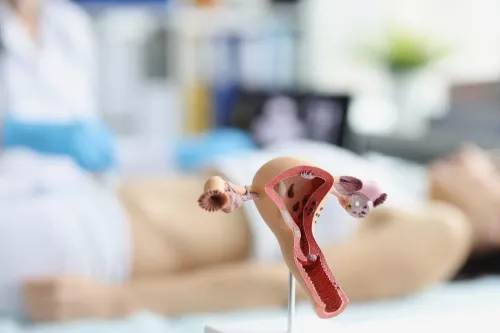
- Gynaecological surgery, including endometriosis or fertility procedures
- Bariatric surgery
- Some colorectal and cancer operations
Ask whether the hospital performs your exact procedure laparoscopically, which specialist will perform it, how often they perform it, and what happens if conversion to open surgery is needed. Camera surgery for gallbladder disease does not prove expertise in fertility surgery, colorectal cancer or complex hernia repair.
| Approach | What it involves | Main consideration |
|---|---|---|
| Laparoscopic | Small incisions, camera and long instruments | Recovery is often quicker, but anatomy and disease severity matter |
| Robotic | Surgeon controls wristed instruments from a console | Equipment and procedure-specific expertise are essential |
| Open | One larger incision with direct access | May be safer for extensive infection, bleeding, dense adhesions or unstable patients |
Is laparoscopic, robotic or open surgery right for your condition?
The right approach depends on the diagnosis, urgency, anatomy and your overall health—not simply on having smaller incisions. Your symptoms, physical examination, blood tests and results from ultrasound, CT, MRI or endoscopy help identify the problem; diagnostic laparoscopy is used when direct viewing is needed or tests remain inconclusive.
| Approach | What it means | When it applies |
|---|---|---|
| Laparoscopic | A camera and instruments enter through small abdominal incisions after carbon dioxide inflates the abdomen; general anaesthesia is used. | Gallbladder, appendix, hernia, gynaecological and selected cancer operations when anatomy is clear and the patient is stable. |
| Robotic surgery | A surgeon controls wristed instruments from a console; it is still minimally invasive surgery, not independent robot treatment. | Complex operations needing precise instrument movement, when the equipment and trained team are available. |
| Open surgery | One larger incision gives direct access to the affected area. | Extensive infection, uncontrolled bleeding, dense adhesions, unclear anatomy, suspected cancer spread or an unstable patient. |
Laparoscopic vs open surgery is a safety decision as well as a recovery decision. Laparoscopy often means less wound pain and faster activity, but severe inflammation, bleeding or scar tissue can require conversion to open surgery; consent should cover this.
Seek emergency-capable care for fainting, heavy bleeding, severe pelvic pain, or a positive pregnancy test with pain. A ruptured ectopic pregnancy causes internal bleeding. During pregnancy, non-obstetric surgery requires coordinated obstetric and anaesthesia planning, and elective laparoscopy is generally avoided.
What to ask at the surgical consultation before admission
Before you accept an admission date, use the laparoscopy consultation to confirm who will operate, why surgery is needed, and how you will prepare.
1. Ask whether the surgeon is the correct specialist for your exact operation, such as gallbladder, hernia, gynaecological, fertility, bowel or cancer surgery. Confirm who will perform it and who provides follow-up.
2. Bring referrals, scan reports, blood-test results, previous operation notes, discharge summaries, allergy details and a complete medicine list. Ask which preoperative tests you need and when results must be available.
3. Ask whether observation, prescription medicines, drainage, or another surgical approach could treat the condition. Discuss what happens if you delay or decline the operation.
4. Request written laparoscopy fasting instructions, including when to stop solid food, clear fluids and chewing gum. Confirm your arrival time, transport home and whether an overnight stay is planned.
5. Review every medicine, including insulin, tablets for diabetes, aspirin, warfarin, apixaban, rivaroxaban and herbal supplements. Get a named plan for blood thinner management; do not stop anticoagulants without instructions.
6. Tell the team about diabetes, heart or lung disease, smoking, sleep apnoea and any previous anaesthesia problem. Ask how glucose checks and smoking cessation affect your risk.
7. Tell the team if pregnancy is possible, request a pregnancy test when appropriate, and discuss contraception. Pregnancy changes the timing and team involved.
Before signing, confirm procedure-specific consent: the intended operation, risks, possible conversion to open surgery, alternatives, blood transfusion and unplanned additional treatment.
How to compare a laparoscopy hospital in Pune before booking
A theatre and a “laparoscopy” label do not prove that a hospital is prepared for your operation. Whether your search says “laparoscopy hospital Dhankawadi”, “laparoscopy hospital Katraj”, “laparoscopy hospital Bibwewadi” or “laparoscopy hospital Kondhwa Pune”, compare the named surgeon’s experience with your exact procedure, not with general years in practice.
Ask Pawar Multispeciality Hospital Dhankawadi, Pune who will perform your operation and who will manage a bowel injury, bleeding, conversion to open surgery or an unexpected overnight admission. Verify these points before paying a booking amount:
- Ask whether an anaesthetist remains responsible throughout surgery and whether oxygen saturation, blood pressure, ECG, carbon dioxide and temperature are monitored in recovery.
- Confirm access to cross-matched blood, ultrasound or CT, laboratory testing, sterilisation records and critical-care beds when your operation could require them.
- Ask who accepts complications after discharge, the after-hours telephone number, emergency entrance, ambulance or transfer arrangement, and the receiving hospital if higher-level care is needed.
- Request an itemised estimate covering surgeon, anaesthesia, theatre, mesh or disposable instruments, room, tests, medicines, extra nights and conversion to open surgery.
- Confirm admission timing, fasting instructions, medicine changes, escort requirements and whether same-day discharge is actually suitable.
| Compare | Verify in writing | Why it matters |
|---|---|---|
| Surgeon | Exact operation, backup surgeon and complication plan | A general label does not establish subspecialty expertise |
| Hospital | Monitoring, imaging, blood access, ICU and transfer pathway | A difficult complication needs resources immediately |
| Follow-up | Review date, wound contact and after-hours route | Distance from Wanowrie, Undri or Swargate does not guarantee timely help |
Related service
General Surgery Advanced Laparoscopic Surgeon in Dhankawadi, Bibwewadi, Kondhwa, Pune Looking for the best advanced laparoscopic surgeon in Pune? At Pawar Multispeciality Hospital, you are in expert hands with Dr. View service → |
What happens after surgery, and when to seek urgent help
Expect to feel sleepy, cold, nauseated or mentally slow for several hours after general anaesthesia. Arrange an adult to take you home and stay overnight; do not make legal or financial decisions until you are alert.
Shoulder pain after laparoscopy comes from carbon dioxide irritating the diaphragm, not usually from a shoulder injury. Walking gently, changing position and taking prescribed pain relief can help. Start with sips of water, then light food when nausea settles.
Laparoscopy recovery is often gradual: shower only when your team permits it, keep dressings clean and dry, and follow the discharge instructions for laparoscopy wound care. Avoid heavy lifting until cleared; do not drive while taking opioid pain medicine or while braking and turning feels painful.
Desk work may take several days, while strenuous work takes longer.
Before discharge, confirm the total estimate and what it includes: surgeon and anaesthetist fees, operating-room charges, medicines, room, pathology, imaging, follow-up and treatment of an unexpected overnight stay. Keep written after-hours contact details and know where to return.
Seek urgent medical advice for:
- Worsening pain, repeated vomiting, fainting, breathlessness or chest pain
- Fever, increasing swelling or redness, pus, heavy bleeding or a wound opening
- Difficulty passing urine, painful leg swelling, yellow eyes or skin, or new confusion
These signs can indicate laparoscopy complications, including bleeding, infection, clots or organ injury; do not wait for a routine appointment.
Frequently asked questions
What is laparoscopy surgery?
Laparoscopy is keyhole surgery. A surgeon makes small abdominal incisions, inflates the abdomen with carbon dioxide, and uses a camera and instruments to operate while viewing a monitor.
How do I choose between laparoscopic, robotic and open surgery?
Ask which approach suits your diagnosis, the operation’s complexity, expected recovery, risks, conversion-to-open possibility and the surgeon’s experience. Robotic surgery is not automatically better, and open surgery remains appropriate for some conditions.
What should I ask before admission for laparoscopy?
Ask about the exact procedure, anaesthesia, required tests, fasting time, medicine adjustments, expected hospital stay, total cost, blood requirements, complications and what happens if the operation changes to open surgery.
How can I compare a laparoscopy hospital in Pune?
Check whether the hospital provides the required surgical specialty, trained anaesthesia support, operating-room facilities, imaging, laboratory services, blood access, intensive care and 24-hour emergency support.
When should I seek urgent help after laparoscopy?
Contact your surgical team urgently for severe or worsening abdominal pain, heavy bleeding, persistent vomiting, breathlessness, chest pain, confusion, high fever, a swollen abdomen, or inability to pass urine.