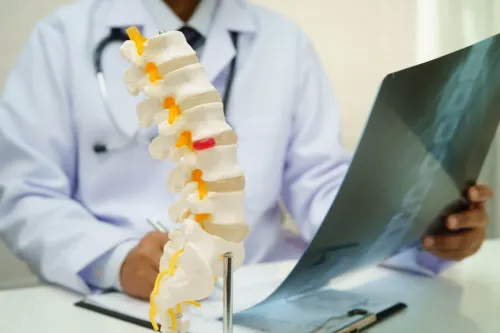
Back pain is extremely common, yet only a proportion of patients need an operation. When medication, physiotherapy, activity modification, or other conservative measures have not provided sufficient improvement, patients may begin evaluating a Spine Surgery Hospital. The decision should be based on diagnosis, neurological symptoms, treatment history, and the facilities available for both surgery and recovery.
For patients in Pune and other parts of Maharashtra, choosing a hospital is particularly important because spine care may involve orthopedics, imaging, anesthesia, rehabilitation, and pain management.
Start With the Exact Diagnosis
“Back pain” is not a diagnosis. Similar symptoms can arise from different spinal conditions, including disc problems, spinal stenosis, nerve compression, degenerative changes, fractures, deformities, and other disorders.
Before discussing surgery, patients should understand:
- What structure is causing the symptoms
- Whether nerves are affected
- What imaging shows
- Which treatments have already been attempted
- What surgery is intended to improve
MRI, X-rays, CT scans, and neurological examination may be used depending on the condition.
Understand Why Surgery Is Being Considered
A recommendation for spine surgery should have a clear clinical purpose. In some cases, the goal is to relieve nerve compression. In others, surgery may stabilize an unstable segment, address a fracture, or treat another structural problem.
Patients should ask how the proposed procedure relates to their symptoms.
It is equally useful to understand what surgery may not change. For example, imaging findings and symptoms do not always correspond perfectly, making careful clinical evaluation essential.
Evaluate Hospital Readiness
A suitable surgical centre should be prepared for more than the operation itself. Preoperative assessment, anesthesia, infection-control protocols, postoperative monitoring, pain management, physiotherapy, and follow-up all influence the patient experience.
Useful questions include:
- What investigations are required before surgery?
- How long is the expected hospital stay?
- When can walking typically begin?
- Will physiotherapy be required?
- What activity restrictions apply after discharge?
- Which warning signs should be reported during recovery?
Clear answers help patients prepare practically for treatment.
Consider Multispeciality Support
Patients undergoing spine procedures may also have diabetes, hypertension, cardiac concerns, osteoporosis, obesity, or other health conditions. These factors can affect surgical planning and recovery.
A multispeciality setting can make coordinated assessment easier when several medical teams need to be involved.
Pawar Multispeciality Hospital in Pune provides orthopedic, surgical, diagnostic, and associated healthcare services that can support patients undergoing evaluation for musculoskeletal and spine-related conditions.
Look Beyond the Operation Date
Recovery planning deserves as much attention as the procedure. Patients may need help at home, temporary changes to work responsibilities, rehabilitation, wound care, and scheduled follow-up.
The right Spine Surgery Hospital should therefore support a complete care pathway rather than focusing only on the surgical procedure. Patients who understand their diagnosis, treatment objective, expected recovery, and follow-up requirements are better positioned to make informed decisions about spine surgery.
Keywords