Abdominal pain that shifts to the lower right side can be appendicitis, but gas, urinary infection, kidney stones and gynaecological conditions can look similar. You will learn which symptoms require emergency assessment, what happens during diagnosis, how treatment choices differ, and what hospital capabilities to check before seeking care.
Key takeaways
- Seek urgent assessment for worsening right lower abdominal pain.
- Do not rely on gas symptoms to rule out appendicitis.
- Doctors combine examination, blood tests and imaging before treatment.
- Complicated appendicitis may require urgent surgery, drainage or antibiotics.
How can you tell appendicitis from gas, stones or other abdominal pain?
Appendicitis symptoms often begin as vague pain around the navel, then shift within hours to persistent right lower abdominal pain. Appendix pain usually worsens when you walk, cough or move. Fever, nausea, vomiting, appetite loss, constipation or diarrhoea may follow, but no single symptom confirms or excludes appendicitis.
| Cause | Clues that favour it | Important limitation |
|---|---|---|
| Gas | Cramping, bloating and pain that shifts or eases after passing stool or gas | Severe, fixed pain or fever needs assessment |
| Indigestion | Burning upper-abdominal discomfort, belching or symptoms after eating | It does not explain every case of right lower abdominal pain |
| Urinary infection | Burning urination, frequency and pain low in the pelvis or back | Fever with flank pain can signal kidney infection |
| Kidney stone | Sudden, wave-like side or groin pain, restlessness and blood in urine | Vomiting can occur with either condition |
| Ovarian cyst, torsion or ectopic pregnancy | One-sided pelvic pain, bleeding or missed period | These require urgent assessment, especially with fainting |
| Bowel or abdominal-wall conditions | Diarrhoea, hernia swelling or pain linked to muscle movement | Overlap is substantial |
A gas or appendicitis comparison cannot safely settle the diagnosis at home. Pregnancy can move the appendix upward and produce less typical symptoms. Older adults may have little fever or tenderness despite serious disease, while an unusually positioned appendix can cause flank, pelvic or upper-abdominal pain. Persistent or worsening pain deserves prompt medical assessment.
When does abdominal pain require immediate hospital assessment?
Severe or rapidly worsening abdominal pain requires emergency hospital assessment, not a routine appointment. Treat these appendix emergency symptoms as urgent: a rigid or very tender abdomen, repeated vomiting, inability to keep fluids down, fainting, confusion, high fever, cold or clammy skin, rapid breathing, or other signs of shock.
A ruptured appendix can release infected material through the abdominal lining. The result can be peritonitis, a local abscess, or sepsis from appendicitis, and deterioration can become rapid.
Perforation, sepsis, diffuse peritonitis, or worsening observations demand faster action than stable, uncomplicated appendicitis; the latter is commonly treated within 24 hours of admission rather than as a minute-to-minute emergency.
- Arrange immediate transport to an emergency department. Do not drive yourself if you are faint, confused, severely unwell, or showing shock.
- Avoid food and drink when surgery may be needed, unless emergency clinicians instruct you otherwise. Do not delay transport while waiting for symptoms to settle.
- Do not take laxatives. They can worsen pressure or pain when an obstructed or inflamed appendix is possible.
- Do not apply a heating pad or hot-water bottle to the abdomen.
- Use pain medicine only after clinician advice, and tell the team exactly what you took and when.
Children, older adults, and pregnant patients need prompt assessment because serious appendicitis can present without the usual pattern.
How do doctors confirm appendicitis when symptoms overlap?
Doctors confirm appendicitis by combining the symptom history, abdominal examination, laboratory results and imaging—not by relying on one symptom or test.
1. The clinician asks when pain began, where it started, whether it moved, and whether fever, vomiting, appetite loss, bowel changes or urinary symptoms followed. They check tenderness, guarding, rebound pain, abdominal rigidity and pain during movement.
2. Blood tests include a complete blood count and a C-reactive protein test, often requested together as a CBC and CRP test. A normal white-cell count does not rule out appendicitis, especially early in the illness. An elevated count signals inflammation but does not prove appendicitis because infections and other conditions can raise it.
Urine testing checks for urinary infection or blood from a stone. Pregnancy testing is relevant before imaging and treatment decisions.
3. An appendicitis ultrasound is a common first test for children and pregnant patients because it avoids ionising radiation. If pregnancy ultrasound is inconclusive, MRI can provide further assessment. For a non-pregnant adult whose diagnosis remains uncertain, contrast CT for appendicitis—covering the abdomen and pelvis—is the most accurate common imaging test.
4. Alvarado, Appendicitis Inflammatory Response (AIR) and Adult Appendicitis Score support triage; they do not replace examination or imaging in intermediate-risk cases. When findings strongly indicate appendicitis, surgeons may proceed with treatment without delaying care for a scan.
How does treatment change from uncomplicated to complicated appendicitis?
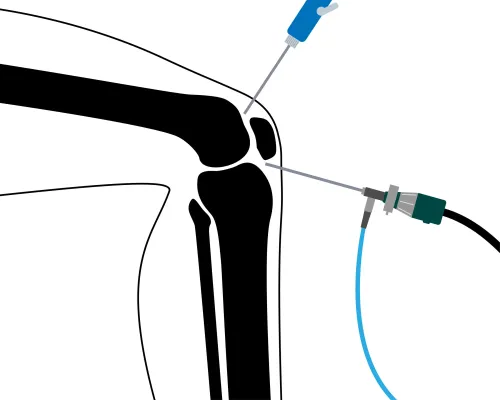
Uncomplicated appendicitis is usually treated during the admission, generally within 24 hours for a stable patient—not necessarily within minutes. Laparoscopic appendectomy uses small incisions and general anaesthesia; compared with open surgery, it usually causes fewer wound problems and a shorter recovery.
| Approach | Main advantages | Important limitation |
|---|---|---|
| Laparoscopic appendectomy | Less wound trouble, less pain and shorter hospital stay | Requires general anaesthesia and may need conversion |
| Open appendectomy | Direct access when inflammation or anatomy is difficult | Larger incision and slower wound recovery |
Conversion to open surgery can be safer when severe inflammation obscures anatomy, bleeding is difficult to control or the appendix has ruptured. Trying to remain laparoscopic at any cost can injure bowel or blood vessels.
Selected adults with uncomplicated disease can discuss antibiotics for appendicitis instead of immediate surgery. In the CODA trial, 29% assigned to antibiotics had appendectomy within 90 days, about 40% by one year and 49% by three to four years. An appendicolith raises failure and complication risk, so imaging findings matter.
Complicated disease changes the plan:
- A perforated appendix may cause an abscess or phlegmon. Perforated appendix treatment can include intravenous antibiotics, image-guided drainage for a drainable abscess, delayed surgery or early surgery.
- Generalized peritonitis usually needs urgent operative source control.
- After adequate source control, complicated cases receive a limited, evidence-based antibiotic course; prolonged treatment is unnecessary in uncomplicated cases.
- Review the removed appendix in pathology. Adults aged 40 or older treated for an abscess need follow-up to check for an obstructing lesion, often with colon evaluation and repeat imaging.
What should you check in an appendix treatment hospital near Pune?
Choose an appendix treatment hospital in Pune by checking what happens after arrival, not just how close it is. This applies when comparing hospitals in Dhankawadi, Katraj, Bibwewadi, Kondhwa, Undri, Wanowrie, Swargate and nearby areas.
| Check | Ask the hospital | Why it matters |
|---|---|---|
| 24-hour emergency | Is a clinician available day and night? | Delay increases the risk of perforation and sepsis. |
| Laboratory testing | Are blood counts, C-reactive protein and urine tests available? | Results support diagnosis and treatment decisions. |
| Imaging | Can you arrange ultrasound and CT? | Imaging helps identify inflammation, perforation or an abscess. |
| Operating room | Is an emergency theatre available? | Surgery should not depend on transfer when urgent source control is needed. |
| Anaesthesia | Is an anaesthetist available for emergency surgery? | Appendectomy requires general anaesthesia. |
| Complicated cases | Can you arrange image-guided abscess drainage? | A drainable abscess may need drainage and intravenous antibiotics. |
| Monitoring | Are inpatient beds and intensive-care escalation available for sepsis or organ dysfunction? | Patients can deteriorate after admission. |
| Children | Do you provide paediatric assessment, paediatric anaesthesia and age-appropriate monitoring? | Children may present atypically and worsen quickly. |
| Pregnancy | Can you coordinate ultrasound or MRI with obstetric and anaesthesia teams? | Medically necessary surgery should not be delayed solely because of pregnancy. |
| Pathology | Is the removed appendix sent for pathology examination? | Examination confirms the diagnosis and identifies unexpected disease. |
For an appendectomy hospital near Katraj or emergency appendicitis care Pune, ask these questions by phone. Pawar Multispeciality Hospital Dhankawadi, Pune is one local option where you can ask about surgeon availability, imaging, emergency response, admission and postoperative monitoring before choosing appendix surgery in Dhankawadi.
Related service
General Surgery Best Appendix Treatment Hospital in Dhankawadi, Bibwewadi, Kondhwa, Pune When it comes to appendix problems such as appendicitis, appendix pain, or appendix removal surgery, choosing the right hospital and an experienced... View service → |
Frequently asked questions
How can you tell appendicitis from gas, stones or other abdominal pain?
Appendicitis often starts near the navel and shifts to persistent right lower abdominal pain that worsens with movement, coughing or walking. Gas, kidney stones and other conditions can overlap, so symptoms alone cannot confirm the cause.
When does abdominal pain require immediate hospital assessment?
Seek immediate assessment for worsening or persistent abdominal pain, especially with fever, repeated vomiting, marked tenderness, faintness, abdominal swelling or pain that increases when you move.
How do doctors confirm appendicitis when symptoms overlap?
Doctors use your symptom history, abdominal examination and tests such as a complete blood count, C-reactive protein, urine testing and abdominal imaging when needed. Ultrasound or CT may help identify an inflamed appendix and complications.
How does treatment change from uncomplicated to complicated appendicitis?
Uncomplicated appendicitis is commonly treated with laparoscopic appendectomy, with antibiotics selected by the clinical team. Perforation, an abscess or widespread infection can require intravenous antibiotics, drainage, urgent surgery or staged treatment.
What should you check in an appendix treatment hospital near Pune?
Check whether the hospital provides 24-hour emergency assessment, imaging, laboratory testing, laparoscopic surgery, anaesthesia and postoperative monitoring. Ask how quickly a surgical review is available and how complications are managed.