Severe joint pain does not automatically mean you need a replacement, and an X-ray alone cannot make that decision. You will learn how to judge treatment options, understand the main replacement procedures, assess surgical readiness, and compare hospitals before choosing where to seek care.
Key takeaways
- Consider replacement when pain limits daily activities despite appropriate treatment.
- Match implant fixation and surgical technique to the joint and your bone quality.
- Ask hospitals about surgeon experience, infection control, rehabilitation and follow-up.
- Plan blood-clot prevention, wound checks, physiotherapy and warning signs before surgery.
When does joint pain justify joint replacement surgery?
Joint replacement surgery becomes reasonable when pain and loss of function remain substantial despite appropriate treatment.
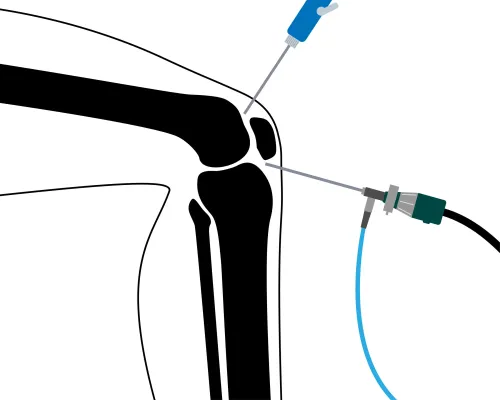
The practical answer to “when is joint replacement needed” depends on your daily life, not an X-ray alone: severe knee pain or hip arthritis symptoms should match advanced joint damage and persist after medicines, physiotherapy, injections, weight management, walking aids, arthroscopy, or joint-preserving procedures have failed.
Discuss replacement when:
- Pain continues during ordinary activity or at night, limits walking distance, or makes stairs difficult.
- Deformity, stiffness, or instability changes how you stand and walk.
- You need help with dressing, bathing, shopping, work, or other activities you previously managed independently.
- The diagnosis is advanced osteoarthritis, rheumatoid arthritis, avascular necrosis, or a badly damaged joint.
- A standing X-ray shows damage that matches your pain and functional loss.
An X-ray showing arthritis is not enough; some people have severe-looking images with manageable symptoms. Replacement is not the immediate choice when symptoms remain controlled, a correctable cause explains them, or rehabilitation is unlikely to be completed.
Treat an untreated infection, open skin wound near the joint, uncontrolled diabetes, or severe heart or lung disease before scheduling surgery. A surgeon must weigh these risks against the disability the joint causes.
Which replacement procedure and fixation method fit the joint?
The damaged parts, bone quality, age, activity level and future revision risk determine the operation—not an X-ray alone.
| Procedure | What it replaces | When it fits |
|---|---|---|
| Total knee replacement | The damaged surfaces of the femur and tibia, often with the underside of the kneecap | Arthritis affects most compartments, with persistent pain, deformity or instability |
| Partial knee replacement | Only one diseased knee compartment; healthy bone, cartilage and ligaments remain | Arthritis is confined to one compartment and the knee remains stable with good movement |
| Revision knee replacement | The existing knee implant, failed fixation, worn polyethylene, damaged bone or unstable components | Infection, loosening, fracture, wear, instability or recurrent pain requires removal or reconstruction |
| Total hip replacement surgery | The femoral head and the damaged socket, replaced with a stem, ball and acetabular cup | Arthritis, avascular necrosis or fracture affects both sides of the hip |
| Hip resurfacing | A metal cap covers the femoral head and a metal cup replaces the socket, preserving more femoral bone | Selected younger, active patients with strong bone; osteoporosis, kidney disease or metal sensitivity can rule it out |
Cemented fixation uses bone cement to hold the implant immediately; it suits weaker bone and many older patients. Uncemented implants depend on bone growing onto a textured metal surface, often appealing to younger patients with good bone, while hybrid fixation combines both methods.
Your surgeon should explain the choice for the knee or hip, not apply one rule to every patient.
Ask for the implant manufacturer, model, sizes, fixation plan and written material details. A polyethylene liner reduces friction; ceramic components can reduce wear, while metal components provide strength but add cost or metal-related concerns in selected designs.
Stability, wear and how easily the implant can be revised matter more than a brand name or robotic technique, neither of which guarantees success.
How does an orthopedic surgeon confirm that you are ready?
Pain severity alone does not confirm joint replacement candidacy. During the preoperative assessment, the orthopedic surgeon matches your symptoms and function with examination findings, imaging, medical history, and surgical risk.
1. Review your illnesses, previous operations, allergies, medicines, and anticoagulants such as warfarin, apixaban, rivaroxaban, or aspirin. Do not stop these drugs without a documented plan, because interruption can cause thrombosis while continuation can increase surgical bleeding.
2. Watch you walk, turn, use stairs, and rise from a chair. Gait changes reveal weakness and compensation; range-of-motion testing measures stiffness, while deformity and stability checks show whether the knee or hip is mechanically failing.
3. Order a standing X-ray of the knee or hip to show joint-space loss, alignment, bone damage, and weight-bearing deformity. An MRI for joint replacement or CT scan is added when the diagnosis remains uncertain, bone loss needs definition, or detailed surgical planning requires it.
4. Check smoking, obesity, diabetes, anemia, dental infection, urinary infection, skin wounds, and other infection sources. Smoking and diabetes impair wound healing; infection can seed the implant; anemia increases transfusion risk; obesity raises wound and thrombosis risks.
5. Plan anesthesia, blood management, clot prevention, and rehabilitation support, including home assistance and physiotherapy.
Treat or stabilize an active infection, uncontrolled diabetes, significant anemia, severe heart or lung disease, or unsafe anticoagulation plan before scheduling. Surgery should wait when you cannot participate safely in rehabilitation.
What should you compare between joint replacement hospitals in Pune?
Do not rank a joint replacement hospital in Pune by “advanced” or “world-class” claims. Compare the complete pathway from assessment to rehabilitation, including what happens if a complication requires urgent treatment.
| Area | Questions to ask | Evidence to request |
|---|---|---|
| Surgeon | How many replacements of this specific joint and procedure does the surgeon perform? | Procedure-specific experience, not only general orthopaedic practice |
| Implant and fixation | Which manufacturer and model will be used? Will fixation be cemented, uncemented or hybrid, and why? | Written implant plan and product details |
| Infection prevention | Is prophylactic antibiotic given within 60 minutes before incision when applicable, with the correct longer window for certain drugs and redosing during prolonged surgery or major blood loss? | Hospital infection prevention protocol |
| Preparation | Who completes the anesthesia assessment, medication review and blood-management plan? | Preoperative checklist, including anticoagulant instructions |
| Facilities | Are imaging, laboratory services, physiotherapy, emergency cover and intensive care access available? | Named departments and escalation arrangements |
| Records | Will you receive the implant sticker, batch number, model and operative report? | Discharge and implant documentation |
Use the same questions in a joint replacement surgeon comparison across hospitals serving Dhankawadi, Katraj, Bibwewadi, Kondhwa, Undri, Wanowrie, Swargate and Pune. An orthopedic hospital Dhankawadi option, including Pawar Multispeciality Hospital Dhankawadi, Pune, can be evaluated on these documented processes rather than location or advertising language.
Related services
Orthopedic Best Joint Replacement Hospital in Dhankawadi, Bibwewadi, Kondhwa, Pune Advanced Joint Replacement Care by Dr. Gaurav Pawar At Pawar Multispeciality Hospital, Pune, we provide world-class Joint Replacement Surgery under... View service → |
Orthopedic Best Hip Replacement Surgery Hospital in Dhankawadi, Bibwewadi, Kondhwa, Pune At Pawar Multispeciality Hospital, Pune, we provide advanced and patient-focused care for Hip Replacement Surgery under the expert leadership of Dr. View service → |
What recovery, blood-clot prevention, and follow-up support will you need?
Joint replacement recovery begins with mobilization, often on the day of surgery. A physiotherapist teaches ankle exercises, safe bed-to-chair transfers, stair technique, and walking with a frame or crutches. Physiotherapy after knee replacement focuses on reducing swelling, restoring knee movement, and rebuilding strength without forcing a painful joint.
Pain and nausea control must be strong enough for movement but safe enough to avoid excessive drowsiness. Nurses monitor the incision, dressing, temperature, circulation, and ability to bear weight. Wound review continues after discharge, because increasing redness, drainage, wound separation, or fever can signal infection.
Your discharge checklist should include:
- Blood clot prevention: prescribed anticoagulant or another drug, compression device or stockings when indicated, and frequent walking. The drug and duration depend on bleeding risk, previous thrombosis, kidney function, mobility, and whether you had knee or hip replacement.
- A staged activity plan: short walks first, then longer walking and stairs; driving, work, bathing, and heavier exercise return only when strength, reaction time, wound healing, and clinician advice allow.
- Same-day joint replacement discharge only after stable vital signs, controlled pain and nausea, safe walking and transfers, home support, medicines, and an urgent-review plan.
Follow-up checks wound healing, movement, walking, medication side effects, and implant-related concerns. Seek urgent care for calf swelling, chest pain, sudden breathlessness, fever, wound drainage, or a new inability to bear weight; emergency access matters when these symptoms appear.
Frequently asked questions
When does joint pain justify joint replacement surgery?
Replacement becomes reasonable when pain and loss of function remain substantial despite appropriate treatment, and imaging confirms joint damage that explains your symptoms.
How do surgeons choose the replacement procedure and fixation method?
The choice depends on the joint, damaged surfaces, bone quality, age, activity level and the surgeon’s assessment. Ask whether cemented, uncemented or hybrid fixation is appropriate for you.
How does an orthopedic surgeon confirm that you are ready for surgery?
The assessment includes your symptoms, walking and daily activities, physical examination, X-rays or other imaging, medical history, medication review and checks for conditions that increase surgical risk.
What should you compare between joint replacement hospitals in Pune?
Compare orthopedic surgeon credentials, implant information, operating-room infection controls, anesthesia and medical support, physiotherapy access, emergency arrangements, complication protocols and follow-up visits.
What recovery and blood-clot prevention support will you need?
Ask when you will stand and walk, how physiotherapy will be arranged, which blood-thinning medicine or compression measures are planned, how wounds are monitored and which symptoms require urgent care.
Related service
Orthopedic Total Knee Replacement Surgeon in Dhankawadi, Bibwewadi, Kondhwa, Pune Are you looking for the best total knee replacement surgeon in Pune? At Pawar Multispeciality Hospital, Dr. View service → |