A groin or abdominal lump is not always an emergency, but a painful bulge that cannot be pushed back can signal trapped intestine. You will learn how to identify the hernia type, judge urgency, compare open and laparoscopic repair, understand mesh, and check whether a hospital is equipped for your specific case.
Key takeaways
- Seek emergency care for severe pain, vomiting, or a firm discoloured lump.
- Ask whether the hernia is reducible and whether ultrasound or CT is needed.
- Compare open and laparoscopic repair, including mesh type and surgeon experience.
- Confirm hospital support, anaesthesia, recovery, costs, and follow-up before booking.
How to recognise a hernia and its emergency warning signs
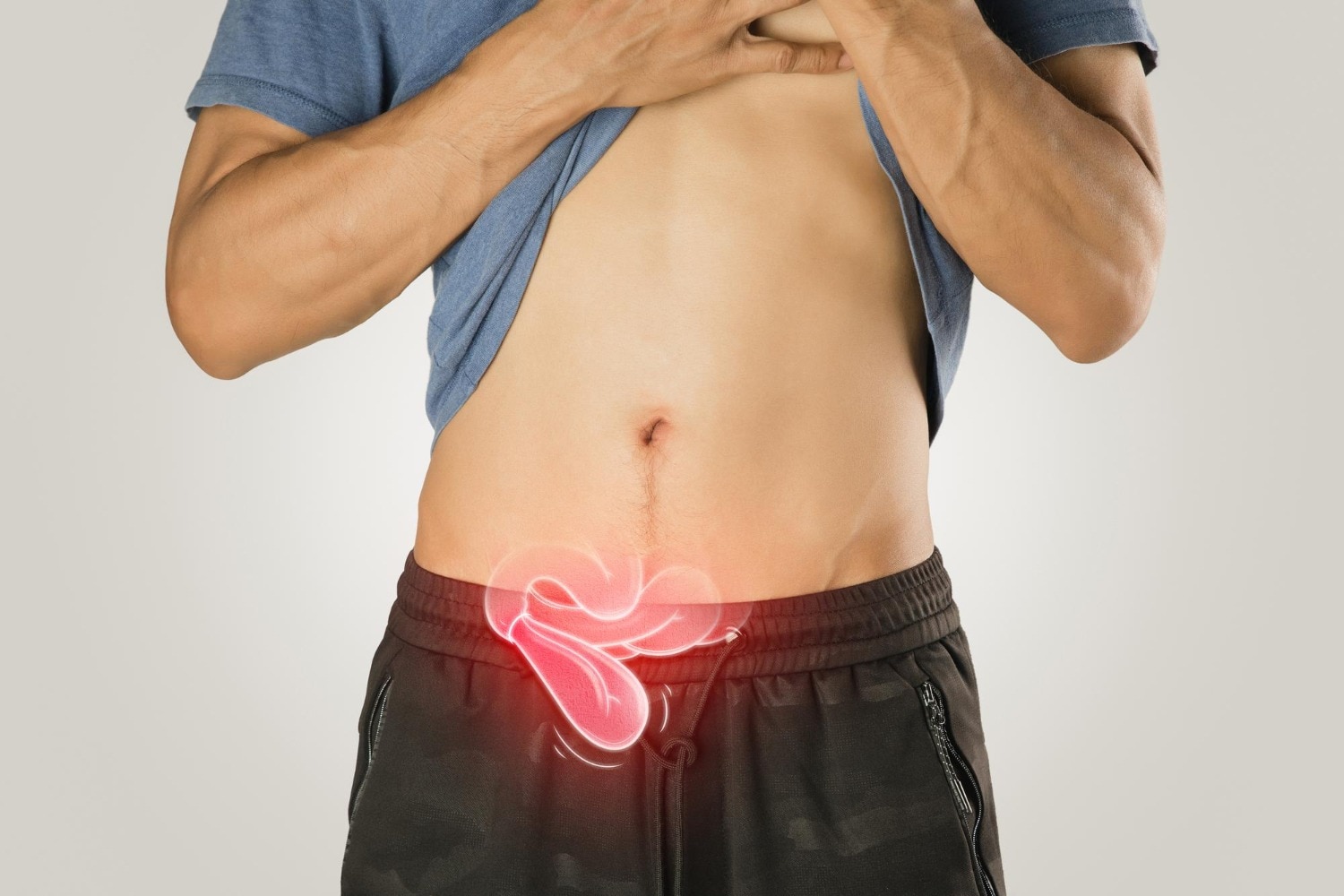
A hernia is a gap or weak point in the abdominal wall through which fat or intestine protrudes. Common hernia symptoms include a visible or palpable bulge, heaviness, and pain when coughing, straining, lifting, or standing. The lump may become smaller or disappear when you lie down.
| Type | Where it appears | Typical clue |
|---|---|---|
| Inguinal hernia | In the groin | Bulge or ache near the groin crease |
| Femoral hernia | Below the groin crease, near the upper thigh | A smaller lump that can be difficult to see |
| Umbilical hernia | At the navel | Swelling at or around the belly button |
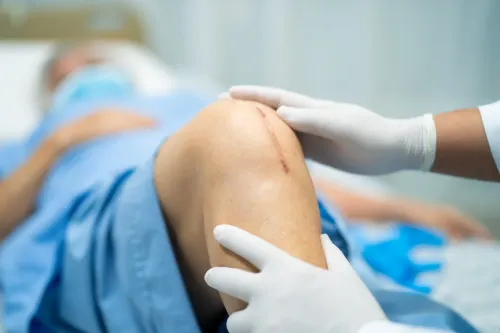
| Incisional hernia | Through a previous surgical scar | Bulge along the scar, especially when standing |
| Epigastric hernia | Between the breastbone and navel | Small midline lump, sometimes painful |
Umbilical hernia symptoms and treatment depend on the lump’s size, pain, reducibility, and risk of complications. Do not assume a painless bulge is harmless; arrange a surgical assessment for a diagnosis and treatment plan.
Seek immediate emergency care instead of booking a routine consultation if:
- The bulge cannot be pushed back or remains trapped when you lie down.
- You develop sudden severe pain, vomiting, increasing abdominal swelling, or fever.
- The skin over the lump becomes red, purple, blue, or unusually dark.
- You cannot pass stool or gas.
These signs can indicate bowel obstruction or strangulation, where trapped intestine loses its blood supply.
How doctors confirm a hernia and decide between monitoring and repair
Hernia diagnosis usually starts with your symptom history and a physical examination, not a scan. The surgeon asks when the lump appears, what lifting or coughing does to it, and whether pain limits you.
You will be examined standing and lying down, asked to cough or strain, and checked to see whether the lump is reducible.
Most adult groin hernias need no imaging when this examination is clear. A hernia ultrasound helps when the finding is uncertain, especially if the lump is small or intermittent. CT or MRI is usually reserved for an occult, recurrent, or complicated hernia, or when another diagnosis is suspected.
Watchful waiting for hernia can suit a man with an asymptomatic or minimally symptomatic inguinal hernia who understands the warning signs and can attend follow-up. It is not a permanent cure; symptoms commonly progress over time.
Seek urgent surgical assessment if the lump becomes irreducible or painful, or if vomiting, abdominal swelling, fever, or inability to pass stool or gas develops.
Women with groin symptoms need more prompt assessment because a femoral hernia is easier to miss and has a higher risk of incarceration. Ask when hernia surgery is needed if you have:
- Increasing lump size or pain
- Repeated difficulty pushing the lump back
- Risk of bowel obstruction
- Limits on walking, work, exercise, or lifting
These changes make planned repair more useful than continued monitoring.
Open or laparoscopic hernia repair: where mesh fits
Open hernia repair versus laparoscopic repair involves different access, anaesthesia, and recovery trade-offs. Open repair uses one incision and can be performed with local, regional, or general anaesthesia, depending on the hernia and patient. Laparo-endoscopic TEP and TAPP hernia surgery uses small abdominal incisions, requires general anaesthesia, specialised training, and suitable equipment.
| Approach | Main advantages | Important limitations |
|---|---|---|
| Open repair | Suitable for many patients and situations; local anaesthesia may be possible | One larger incision; early groin discomfort can be greater |
| Laparoscopic TEP or TAPP | Often less early and chronic groin pain and faster recovery for an appropriate primary unilateral hernia; useful for bilateral hernias or recurrence after open anterior repair | Requires general anaesthesia, specialist expertise, and appropriate equipment |
Mesh hernia repair reinforces the weakened abdominal wall and lowers recurrence for most adult inguinal hernias. A selected non-mesh Shouldice repair is another option when an experienced surgeon performs it and you give informed consent after discussing its recurrence trade-off.
Ask what the operation could involve:
- Mesh-related problems
- Infection or fluid collection
- Recurrence
- Nerve-related chronic pain
- Injury to nearby structures
Chronic pain beyond normal healing deserves assessment for nerve irritation, mesh problems, recurrence, or another cause. In recurrent hernia surgery, recurrence after posterior repair usually needs an anterior approach; recurrence after open anterior repair generally needs a posterior laparoscopic or robotic approach.
When a hernia needs a more detailed surgical plan
A large, recurrent, incarcerated, parastomal, or incisional hernia needs a different plan from a straightforward reducible groin hernia because bowel, old scar tissue, or previous mesh can change the safest route.
CT imaging can show the defect, mesh position, muscle separation, and loss of domain, helping the surgeon plan incisional hernia surgery or complex hernia repair. The team must assess whether you can tolerate increased abdominal pressure after repair and whether abdominal-wall reconstruction is needed.
| Hernia pattern | Main planning issue | Possible requirement |
|---|---|---|
| Straightforward reducible groin | Localised defect, no obstruction | Examination and routine repair planning |
| Large, incisional, or parastomal | Scar tissue, displaced mesh, loss of domain | CT and abdominal-wall reconstruction planning |
| Recurrent | Previous repair has altered tissue planes | Review of old operation and mesh position |
| Incarcerated | Trapped bowel or fat may be compromised | Urgent assessment and possible emergency hernia surgery |
A painful irreducible lump, vomiting, abdominal distension, fever, or failure to pass stool or gas requires emergency surgical assessment. Confirm access to anaesthesia, an operating room, resuscitation, imaging, laboratory support, and postoperative monitoring, including outside clinic hours.
Children and adults are not automatically treated by the same team. Ask whether paediatric hernias are treated locally or referred to a paediatric hernia surgeon.
Before booking, ask:
- Which inguinal, femoral, umbilical, incisional, epigastric, recurrent, or bilateral cases does the service handle?
- Who plans complex repairs, and where are emergency cases admitted?
How to compare a hernia surgery hospital in Pune before booking
Compare a hernia surgery hospital in Dhankawadi, Katraj, Bibwewadi, Kondhwa, Undri, Wanowrie, Swargate, or elsewhere in Pune on capability, not distance or identical test packages. A hernia surgery hospital in Pune should answer these questions clearly:
| Option | What to compare | Why it matters |
|---|---|---|
| Outpatient clinic | Surgeon examination, diagnosis, repair plan | Confirms who assesses you and whether imaging is needed |
| Open repair | Incision-based repair; local, regional, or general anaesthesia | Suitable for many patients |
| TEP or TAPP | Laparoscopic repair under general anaesthesia | Often useful for bilateral hernias or recurrence after open repair |
| Emergency-capable hospital | Surgical review, anaesthesia, operating room, resuscitation, imaging, laboratory support, monitoring | A trapped lump needs more than a routine appointment |
Ask whether a hernia surgeon in Katraj will examine you, which repair and anaesthesia are recommended, whether mesh is planned, and why. For hernia treatment in Bibwewadi and Kondhwa, ask how recurrence and chronic pain—pain lasting or returning beyond normal healing—are assessed after recovery.
- Ask what happens outside clinic hours if the lump becomes trapped, painful, or irreducible.
- Confirm care for your hernia type, age group, bilateral or recurrent disease, imaging needs, and postoperative follow-up.
- Expect preoperative tests to match the operation, anaesthetic plan, age, diabetes, heart or lung disease, and anticoagulant use. Low-risk patients do not need an identical package.
- If a diagnostic centre shares the building, check whether that specific test falls within its NABL accreditation scope; one accredited test or department does not cover every service.
Pawar Multispeciality Hospital Dhankawadi, Pune is one local option to compare against these criteria.
Related service
General Surgery Best Hernia Treatment Specialist in Dhankawadi, Bibwewadi, Kondhwa, Pune Best Hernia Treatment in Pune – Dr. Nitin Pawar at Pawar Multispeciality Hospital, Dhankawadi, Pune. View service → |
Frequently asked questions
What are the emergency warning signs of a hernia?
Seek urgent medical care if a bulge becomes firm, very painful, discoloured, or cannot be pushed back, especially with vomiting, abdominal swelling, or inability to pass stool or gas.
How do doctors confirm a hernia?
A doctor examines the bulge while you stand, cough, or strain. Ultrasound can clarify uncertain groin or abdominal-wall lumps, while CT is useful for complex, recurrent, or obstructed hernias.
How do doctors choose between monitoring and hernia repair?
Monitoring can suit a small, painless, reducible hernia after medical assessment. Repair is considered when pain, enlargement, activity limits, incarceration, obstruction, or recurrence creates a clear risk or burden.
What is the difference between open and laparoscopic hernia repair?
Open repair uses an incision over the hernia. Laparoscopic repair uses small incisions and a camera, often for selected bilateral or recurrent groin hernias; the choice depends on hernia location, size, previous surgery, health, and surgeon expertise.
When is mesh used in hernia surgery?
Mesh reinforces weakened abdominal-wall tissue in many adult repairs, but the type, position, fixation, and suitability depend on the hernia, contamination risk, previous operations, and surgical plan.