Bulging leg veins are not always a cosmetic problem, and sudden swelling or breathlessness needs a different response from a routine appointment. By the end, you will know which symptoms need assessment, how duplex ultrasound guides treatment, what each option involves, and how to compare hospitals before choosing care.
Key takeaways
- Seek urgent care for sudden swelling, severe pain, warmth or breathlessness.
- Venous duplex ultrasound confirms reflux and maps affected leg veins.
- Treatment depends on vein size, reflux location, symptoms and skin changes.
- Ask hospitals about vascular expertise, ultrasound access and follow-up care.
Which leg-vein symptoms need a medical appointment or urgent care?
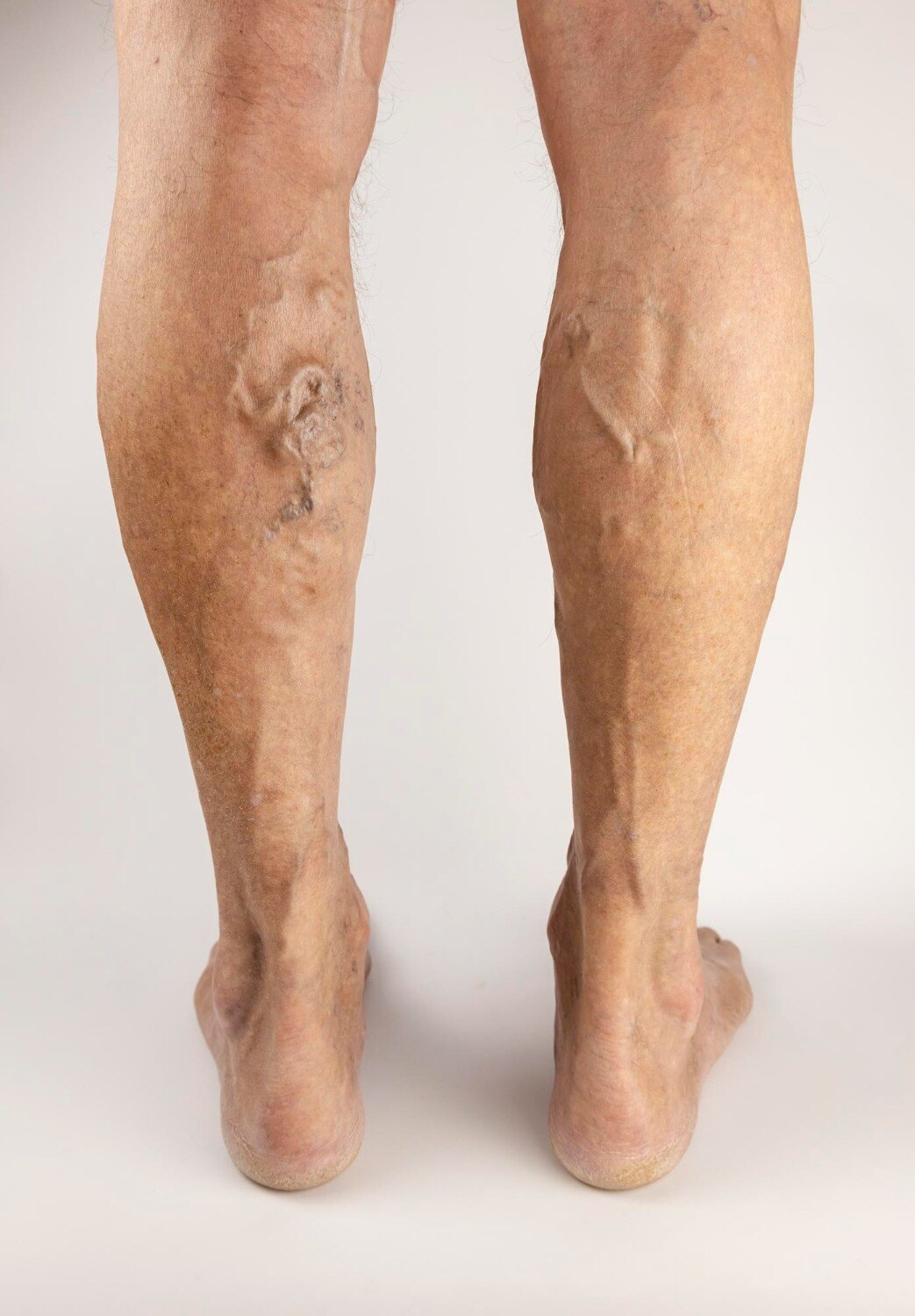
Bulging veins become a medical problem when they cause varicose vein symptoms such as leg heaviness, aching after standing, ankle swelling, itching, night cramps or skin colour changes. Arrange an appointment for an examination; the clinician may confirm reflux with a venous duplex ultrasound rather than judging severity by appearance alone.
| Sign pattern | More consistent with | Action |
|---|---|---|
| Bulging, rope-like veins with heaviness or swelling | Symptomatic varicose veins or chronic venous insufficiency | Book a vascular assessment |
| Fine red or purple veins without pain or swelling | Spider veins | Discuss cosmetic or medical options |
| Sudden one-sided swelling, warmth, redness and pain | Deep-vein thrombosis | Seek emergency assessment |
| Whole-limb swelling, tight skin or swelling involving the foot | Lymphedema or another cause | Arrange medical assessment |
| Calf pain with walking that eases with rest, or pain linked to joints or nerves | Arterial, joint or nerve disease | Request a clinical evaluation |
Seek urgent care for a venous ulcer near the ankle, especially one that does not heal, or skin changes such as eczema, pigmentation or firm, thickened skin. These signs need venous assessment and wound care, not cosmetic treatment.
If a varicose vein bleeds, lie down, raise the leg and press firmly on the site with clean material, then obtain urgent medical care. Chest pain, unexplained breathlessness or coughing blood requires emergency help because a clot may have reached the lungs.
Pregnancy-related veins are usually reassessed after delivery rather than treated with a procedure during pregnancy.
How does a hospital confirm varicose veins before treatment?
A hospital confirms varicose veins with a standing leg examination followed by venous duplex ultrasound, not by appearance alone. The clinician records bulging veins, swelling, skin colour or texture, ulcers, tenderness and pulses, then asks how symptoms change with standing, walking or elevation.
1. You stand while the clinician inspects both legs and feels the veins. This examination checks whether visible veins match chronic venous insufficiency and looks for ankle swelling, eczema, hardened skin, healed ulcers or a painful, red cord suggesting superficial thrombophlebitis.
2. During the scan, an ultrasound probe shows the superficial and deep veins, their direction of blood flow and whether each vein compresses normally. Failure of a deep vein to compress, altered flow or an obstructing clot raises concern for deep-vein thrombosis rather than uncomplicated varicose veins.
3. The sonographer performs a venous reflux assessment using standing positions, calf compression and release, or a Valsalva manoeuvre. Backward flow identifies an incompetent valve; the report maps the great or small saphenous vein, connecting perforators and visible tributaries so treatment targets the reflux pathway instead of every vein in sight.
The clinician also separates spider veins from larger varicosities and considers lymphedema, arterial disease, nerve pain, hip or knee problems and muscle injury when the examination does not fit venous disease. Sudden one-sided swelling, warmth and pain needs urgent assessment; chest pain, breathlessness or coughing blood requires emergency care.
Which varicose-vein treatment is appropriate for your scan results?
A duplex scan showing reflux in a suitable truncal vein usually supports intervention when pain, heaviness, swelling, itching, skin changes or an ulcer affects daily life. Compression stockings and regular walking can ease symptoms, but they do not correct reflux; use them as primary management when you decline or cannot undergo treatment.
| Option | What it does | When it fits |
|---|---|---|
| Compression and activity | Supports venous return and reduces swelling | Mild symptoms, pregnancy, or when intervention is unsuitable or deferred |
| Endovenous laser ablation | Uses heat to close the refluxing vein | First-line option for suitable truncal reflux |
| Radiofrequency ablation | Uses controlled heat to seal the vein | Another first-line endothermal option |
| Foam sclerotherapy | Injects ultrasound-guided foam to close the vein | When endothermal treatment is unsuitable; also useful for selected tributaries |
| Mechanochemical ablation | Damages the vein mechanically while delivering a chemical agent | A non-thermal option for selected anatomy |
| Cyanoacrylate closure | Seals the vein with medical adhesive | A non-thermal option when clinically appropriate |
| Phlebectomy | Removes bulging surface tributaries through tiny openings | Localised visible tributaries, sometimes staged after truncal treatment |
| Surgery | Ties and removes the refluxing vein | When endovenous methods and foam are unsuitable |
Treating the main reflux pathway can shrink some tributaries, so every visible vein need not be treated in one session. Ask which vein refluxes, why the method fits your scan, whether treatment is staged, and how recurrence and complications will be reviewed. Bruising, numbness, skin injury, thrombosis and infection require discussion before consent.
What happens during recovery from a minimally invasive vein procedure?
1. Preparation starts with a review of your duplex scan, previous vein procedures, medicines and medical conditions. Tell the clinician about anticoagulants, antiplatelet drugs, pregnancy or recent delivery, limited mobility, obesity and arterial disease. Do not stop prescribed medication without instructions.
2. Most endovenous procedures are day-case treatments using local anaesthesia. Ultrasound guidance helps the clinician place the needle, map the refluxing vein and deliver laser, radiofrequency energy, foam or another closure method accurately. Treatment of visible tributaries may be staged rather than done in one session.
3. Walking after vein treatment is usually encouraged soon after the procedure. Short, frequent walks reduce prolonged immobility; follow the specific advice on compression hosiery, showering, driving, exercise and work. Bruising, tightness and tenderness often settle as the treated vein closes.
4. Arrange follow-up to check symptoms, the treated vein and any remaining reflux. Ask when a repeat duplex scan is needed and how recurrence will be assessed. Seek urgent help for marked one-sided swelling, worsening calf pain, chest pain or breathlessness.
5. Vein treatment complications include bruising, temporary numbness or nerve irritation, superficial thrombophlebitis, skin injury and infection. Rarely, deep-vein thrombosis or pulmonary embolism occurs. During pregnancy, interventional treatment is not routinely performed; compression hosiery for symptoms requires a benefits-and-harms discussion, with reassessment after delivery.
Your mobility, arterial circulation, medicines and prior procedures can change compression safety, anaesthesia and follow-up planning.
How should you compare a varicose-vein treatment hospital in Pune?
Compare a varicose veins treatment hospital Pune by the quality of its assessment and follow-up, not by the number of procedures advertised. Whether you search for a vascular surgery hospital Dhankawadi, varicose veins treatment Katraj or varicose veins treatment Kondhwa, use the same checks.
- Confirm that venous duplex ultrasound is available before treatment. The report should identify refluxing veins, disease extent and the proposed treatment target.
- Ask whether vascular, medical, obstetric and surgical teams coordinate care when you take anticoagulants or antiplatelets, are pregnant or recently delivered, have limited mobility, obesity or arterial disease.
- Request a plain explanation of the main refluxing vein versus visible tributaries, including whether foam sclerotherapy, phlebectomy or staged treatment is necessary.
- Check that the plan covers walking, compression, anaesthesia, complications and review after treatment.
- Ask how recurrent veins will be reassessed with examination and new duplex mapping rather than automatically repeating the previous procedure.
Pawar Multispeciality Hospital Dhankawadi, Pune can be assessed using these questions: does the consultation connect scan findings with a specific treatment decision, and can it arrange appropriate coordination when other health factors change procedural risk?
| Checkpoint | What a credible hospital provides | Warning sign |
|---|---|---|
| Scan access | Venous duplex before intervention | Treatment offered from appearance alone |
| Treatment choice | Named vein, method and reason | Procedure availability presented as proof of suitability |
| Coordination | Review of medicines, pregnancy, mobility and arterial disease | No adjustment for these factors |
| Recurrence | Planned follow-up and repeat mapping | Promise that treatment prevents new veins |
Related service
General Surgery Best Vascular Surgery Hospital in Dhankawadi, Bibwewadi, Kondhwa, Pune At Pawar Multispeciality Hospital, Pune, we are committed to delivering world-class care in the field of vascular surgery. View service → |
Frequently asked questions
Which leg-vein symptoms need a medical appointment or urgent care?
Arrange an appointment for heaviness, aching after standing, ankle swelling, itching, night cramps, bulging veins or skin colour changes. Seek urgent care for sudden one-sided swelling, severe pain, warmth, redness, chest pain or breathlessness.
How does a hospital confirm varicose veins before treatment?
A clinician examines your legs and confirms venous reflux with a venous duplex ultrasound. The scan shows blood-flow direction, identifies faulty valves and maps which veins require treatment.
Which varicose-vein treatment is appropriate for your scan results?
Treatment depends on symptoms, reflux location, vein size, skin changes and overall health. Options include compression, endovenous thermal ablation, sclerotherapy, adhesive closure or surgery when less invasive methods are unsuitable.
What happens during recovery from a minimally invasive vein procedure?
You usually walk soon after treatment, follow compression instructions and return for scheduled review. Ask your clinician when to resume strenuous exercise, monitor the treated leg and report increasing pain, swelling, redness or fever.
How should you compare a varicose-vein treatment hospital in Pune?
Compare vascular specialist access, venous duplex ultrasound availability, treatment options, emergency support, anaesthesia arrangements, written aftercare instructions and follow-up appointments.