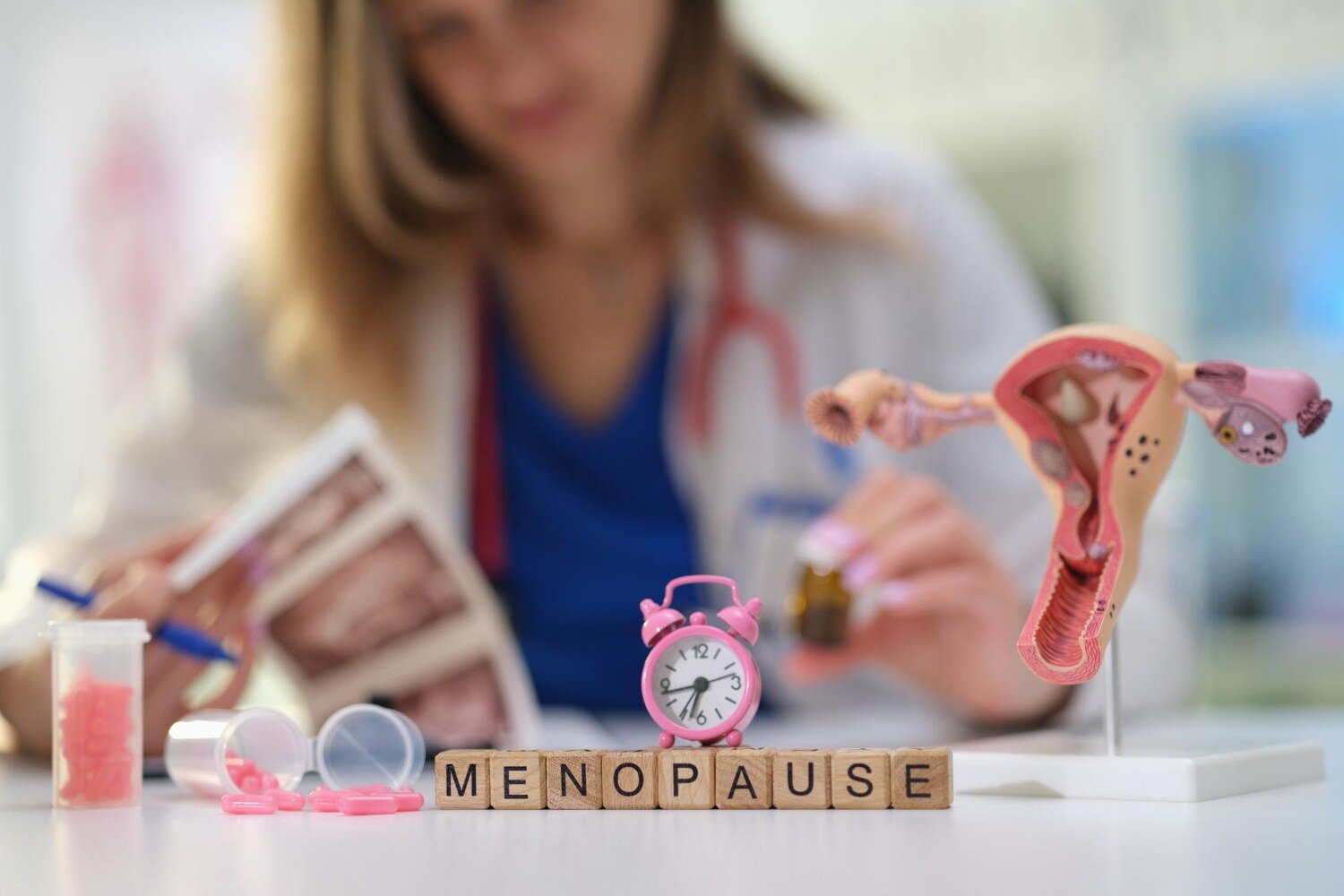
Menopause symptoms can affect sleep, sex, mood, bladder function and daily work, but not every symptom needs the same treatment or a hormone test. You will learn when to book an appointment, what an evaluation involves, which treatments match particular symptoms, and what safety questions to ask before choosing care.
Key takeaways
- Menopause follows 12 consecutive months without a menstrual period.
- Seek medical attention for bleeding after menopause or unusually heavy periods.
- Ask about nonhormonal and local treatments for hot flashes, dryness and sleep problems.
- Review clotting, breast cancer, liver and unexplained bleeding risks before hormone therapy.
What menopause means and when symptoms need medical attention
Perimenopause is the transition before menopause, when ovarian hormone patterns change and periods become irregular. Menopause is confirmed retrospectively after 12 consecutive months without a menstrual period; the date of the final period marks the start of postmenopause.
In people aged 45 or older with typical symptoms and changing cycles, clinicians usually make this diagnosis from the history rather than routine hormone tests.
Arrange an appointment if you have:
- Hot flashes and night sweats that disturb sleep, work or daily activities
- Vaginal dryness, burning, painful sex, reduced sexual desire or new urinary urgency, frequency or discomfort
- Persistent insomnia, low mood, anxiety, irritability, concentration problems or memory complaints
- Periods that become unusually heavy, prolonged, frequent or painful
- Symptoms that begin before age 45, or symptoms that are severe, rapidly worsening or difficult to explain
- Any vaginal bleeding after 12 consecutive months without a period; this needs prompt medical assessment, not routine self-care
A clinician will review your menstrual pattern, symptom timing, medicines, contraception, medical and family history, and blood pressure. They may examine you or arrange targeted tests when another condition, medication effect or abnormal bleeding needs investigation.
Menopause treatment should address the symptoms affecting you, not rely on a scan or blood test alone; hot flashes, sleep, mood, sexual and genitourinary symptoms all deserve discussion.
How a clinician diagnoses menopause and chooses tests
For someone aged 45 or older with typical symptoms and changed menstrual cycles, menopause diagnosis is usually clinical. The clinician uses your age, symptom pattern and menstrual history, including the date of your final period, rather than ordering an automatic hormone panel.
The consultation usually covers:
- Hot flashes, night sweats, sleep disruption, mood or cognitive changes
- Vaginal dryness, painful sex, urinary symptoms and reduced sexual desire
- Cycle timing, pregnancy possibility, abnormal bleeding and medicines
- Personal and family history, blood pressure and examination findings when indicated
Routine menopause blood tests do not confirm the diagnosis in this age group. An FSH test for menopause is mainly considered when menopause is suspected before age 45, or when the history is unclear.
For suspected premature ovarian insufficiency before age 40, clinicians use two raised FSH results taken 4–6 weeks apart; one result is insufficient.
A thyroid test for menopause symptoms is useful when fatigue, palpitations, weight change or mood symptoms could reflect thyroid disease instead. Other targeted tests depend on the finding—for example, a pregnancy test when pregnancy remains possible or blood testing for unexplained heavy bleeding.
Bleeding after 12 months without a period, or bleeding that has no clear explanation, requires gynaecological assessment before systemic hormone therapy. Do not let a normal scan or blood result replace an examination when bleeding needs investigation.
Which treatments target hot flashes, dryness, sleep and sexual symptoms
Menopausal hormone therapy is the most effective treatment for hot flashes and night sweats, and it can improve sleep when vasomotor symptoms are waking you. If you have a uterus, systemic estrogen requires a progestogen to protect the uterine lining; discuss breast, clotting, liver, cardiovascular and bleeding risks.
It is not prescribed to prevent heart disease, dementia or general ageing.
| Option | Main symptom target | Trade-offs to discuss |
|---|---|---|
| Systemic menopausal hormone therapy | Hot flashes, night sweats, related sleep disruption | Requires safety review; unexplained bleeding must be assessed first. Benefits and risks vary by age, health history, route and formulation. |
| Nonhormonal menopause treatment | Hot flashes and night sweats; some options help sleep | SSRIs, SNRIs, gabapentin and fezolinetant have different side effects and interactions. Do not use antidepressants solely for hot flashes without discussing the indication. |
| Vaginal estrogen | Dryness, irritation, painful sex and some urinary symptoms | Low-dose treatment has minimal systemic absorption and can continue as long as needed, including when systemic therapy is unsuitable. Report new bleeding. |
| Lubricants and vaginal moisturisers | Lubricants ease friction during sex; moisturisers relieve ongoing dryness | They do not treat hot flashes or restore vaginal tissue. Choose products compatible with condoms if needed. |
| CBT for insomnia or menopause symptoms | Sleep difficulty, worry and coping with hot flashes | It requires regular practice rather than a single dose. Persistent low desire needs assessment; testosterone is specialist treatment, not a routine first choice. |
Ask about symptom priorities, contraindications, medicines and sexual concerns rather than accepting a single treatment for every problem.
Who needs extra safety assessment before hormone therapy
Do not start systemic hormone therapy until unexplained vaginal bleeding has been assessed. Bleeding after menopause can signal endometrial cancer, so arrange a postmenopausal bleeding assessment rather than assuming it is a routine menopause symptom.
Seek specialist review before treatment if you have:
- Current or previous breast cancer, including questions about menopause after breast cancer
- Endometrial cancer or another estrogen-sensitive cancer
- A previous stroke, heart attack or blood clot
- Active liver disease
- Uncontrolled high blood pressure or a condition that raises clotting risk
These histories change the menopause hormone therapy risks and may make non-hormonal treatment, local treatment or a different hormone plan safer. If you have a uterus, systemic estrogen generally needs a progestogen to protect the endometrium; estrogen-only treatment is usually considered after total hysterectomy.
Typical menopause | Premature ovarian insufficiency Usual timing | Around age 45–55 | Before age 40 Diagnosis | Symptoms and menstrual history often establish the diagnosis | Two raised FSH results, taken 4–6 weeks apart, support diagnosis; one result is insufficient Treatment purpose | Relief of troublesome symptoms after individual risk assessment | Replace missing hormones and protect bone and cardiovascular health, usually until the usual age of natural menopause unless contraindicated Bone health | Assess fracture risks and manage them separately | Give bone protection greater priority; discuss calcium, vitamin D, resistance exercise, lifestyle and bone-density assessment
Systemic hormone therapy treats symptoms; do not use it solely to prevent heart disease, dementia or general ageing. A clinician should review your full history before prescribing.
How to choose and prepare for menopause care in Pune
Choose a facility that provides clinical menopause assessment and access to gynecologic review for unexplained bleeding; a scan or hormone panel alone is not enough. For a menopause treatment hospital in Dhankawadi, ask who reviews your menstrual history, medicines, blood pressure, symptoms, and family history.
A menopause doctor near Katraj should explain when tests are useful, especially if menopause is suspected before age 45.
- Bring the date of your last period, or a record of cycle changes, bleeding, hot flashes and night sweats.
- List vaginal dryness, painful sex, urinary symptoms, sleep problems, mood or memory changes, and reduced sexual desire.
- Carry every medicine, supplement and contraceptive name with its dose, plus allergies, previous diagnoses, surgeries and mammogram or cervical-screening reports.
- Write down personal or family histories of breast or endometrial cancer, blood clots, stroke, liver disease, osteoporosis and early menopause.
- Ask what happens if bleeding occurs after 12 months without a period, and whether the facility can arrange prompt assessment.
| Facility option | What to check | Why it matters |
|---|---|---|
| Menopause treatment in Bibwewadi and Kondhwa | Consultation covers sexual, urinary, sleep, mood and cognitive symptoms | Hot flashes are not the whole assessment |
| Pawar Multispeciality Hospital Dhankawadi, Pune | Ask whether the gynecology team evaluates bleeding before hormone therapy | Postmenopausal bleeding needs investigation |
| Menopause care near Undri Wanowrie Swargate Pune | Confirm follow-up, prescription review and referral access | Treatment often needs adjustment, not a one-time test |
Frequently asked questions
When do menopause symptoms need medical attention?
Seek care for bleeding after 12 months without periods, unusually heavy bleeding, bleeding between periods, severe pelvic pain, or symptoms disrupting sleep, work or daily life.
How is menopause diagnosed?
Clinicians use your age, period history and symptoms. Menopause is confirmed after 12 consecutive months without menstruation; tests are chosen when pregnancy, thyroid disease, premature menopause or another condition needs evaluation.
Which treatments help hot flashes, dryness, sleep and sexual symptoms?
Treatment can include menopausal hormone therapy, nonhormonal medicines, vaginal moisturisers, lubricants and low-dose local vaginal oestrogen. Sleep, mood, pain and sexual symptoms need an individual treatment plan.
Who needs extra safety assessment before hormone therapy?
Discuss risks carefully if you have unexplained vaginal bleeding, breast or endometrial cancer, blood clots, stroke, heart disease, liver disease or a high-risk medical history.
How should you prepare for menopause care in Pune?
Record your last periods, bleeding pattern, symptoms, medicines, surgeries, pregnancies and family history. Bring test reports and ask about treatment benefits, risks, follow-up and alternatives.