“Laser piles surgery” does not name one standard operation, so the right choice depends on whether you have internal or external hemorrhoids, the degree of prolapse, and whether bleeding or pain has another cause. You will be able to compare treatment options, prepare for the procedure, estimate the practical effort involved, and judge whether a hospital and surgeon are suitable for your case.
Key takeaways
- Ask which laser technique, anaesthesia and recurrence risk your consent form specifies.
- Confirm diagnosis before choosing laser hemorrhoidoplasty, ablation or hemorrhoidectomy.
- Compare recovery, pain, bleeding and recurrence with rubber-band ligation or conventional surgery.
- Check the surgeon’s experience, emergency support and follow-up plan before admission.
What laser piles surgery means and who may need it
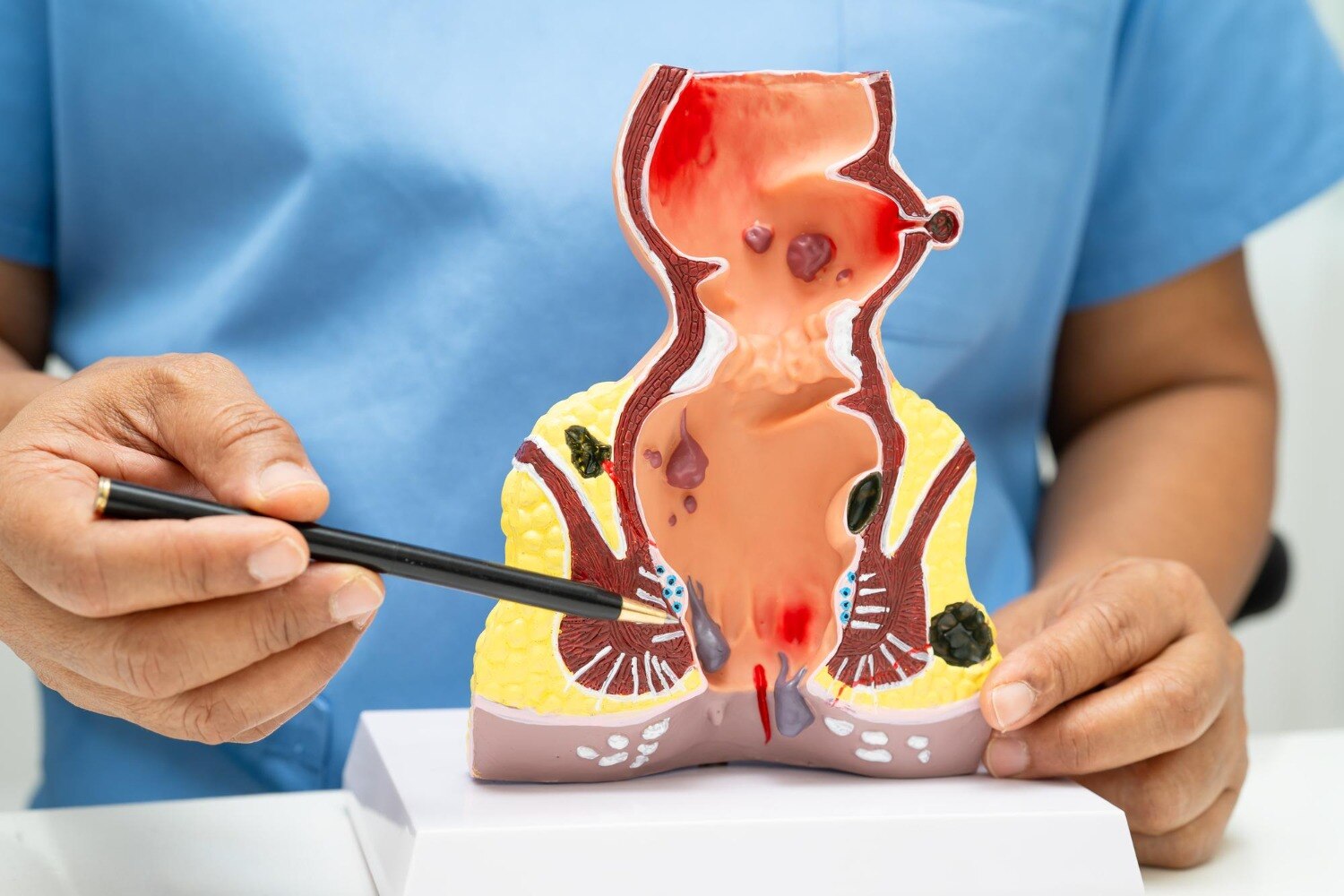
Laser piles surgery is not one standard operation. It may mean laser hemorrhoidoplasty, in which submucosal laser energy shrinks an internal hemorrhoid; laser hemorrhoid ablation, which coagulates or destroys hemorrhoidal tissue and blood flow; or laser-assisted hemorrhoidectomy, which removes tissue. Ask for the exact technique, anesthesia plan, and expected recurrence risk in the consent form.
A surgeon chooses it from the hemorrhoid’s location, prolapse grade, symptoms, external component, previous treatment, and your preference—not from the word “laser” alone.
- Grade I internal hemorrhoids bleed but do not prolapse; rubber-band ligation or another office treatment often avoids an operation.
- Grade II hemorrhoids prolapse during straining and return by themselves; office treatment or laser treatment may be considered when bleeding or prolapse persists.
- Grade III hemorrhoids require manual replacement; laser hemorrhoidoplasty may suit selected internal disease, but substantial prolapse can require another technique.
- Grade IV hemorrhoids remain outside and cannot be reduced; extensive prolapse, large external components, or recurrent disease may favour conventional hemorrhoidectomy because it removes the affected tissue more directly.
- A painful thrombosed external hemorrhoid is not automatically a laser case; timing, clot size, symptoms, and examination determine whether observation or excision is appropriate.
Compared with conventional hemorrhoidectomy, laser hemorrhoidoplasty often causes less early pain and allows quicker short-term recovery. Studies use different settings and patient groups, so long-term superiority and recurrence benefits remain uncertain. The surgeon should also explain why laser is unsuitable if external disease or advanced prolapse dominates.
Diagnosis comes before choosing a laser procedure
Piles diagnosis starts with your symptom history and an anorectal examination, not with a laser recommendation. Bright-red blood on toilet paper, prolapse during straining, itching, mucus, or a lump can fit hemorrhoids, but rectal bleeding must not automatically be blamed on piles.
A digital rectal examination checks for tenderness, a mass, abnormal narrowing, or blood. Anoscopy examines the anal canal and internal hemorrhoids directly; proctoscopy gives a longer view of the rectum. These examinations help identify the bleeding site and distinguish internal piles from conditions needing different treatment.
| Condition | Clues that raise suspicion | How it is checked |
|---|---|---|
| Piles | Bright-red bleeding, prolapse, itching, mucus; pain is less typical unless thrombosed or prolapsed | Digital rectal examination and anoscopy |
| Anal fissure | Sharp, tearing pain during and after a bowel movement, with a small amount of bright-red blood | Careful inspection; examination may be limited by pain |
| Fistula or abscess | Persistent drainage, a skin opening, swelling, fever, or constant throbbing pain | Inspection, examination, and imaging or surgical assessment when needed |
| Rectal or colorectal cancer | Bleeding with changed bowel habit, unexplained weight loss, anemia, a mass, or relevant family history | Colonoscopy with biopsy when indicated |
Ask why colonoscopy is or is not needed before consenting. A normal-looking anal canal does not rule out bleeding higher in the bowel. The confirmed diagnosis, hemorrhoid grade, external component, and other findings—not the word “laser”—determine whether any procedure is appropriate.
How laser compares with other hemorrhoid treatments
Laser is preferable only when the exact technique matches the disease and lower early pain matters more than the strongest long-term evidence. “Laser piles surgery” can mean laser hemorrhoidoplasty, laser ablation, or laser-assisted excision, with different recovery and recurrence risks.
| Option | When laser may be preferable |
|---|---|
| Rubber-band ligation | For grade I–II and selected grade III internal piles, banding is simpler and often adequate. Consider laser when repeated sessions fail, prolapse is larger, or you want an operative treatment. |
| Sclerotherapy | Suitable for bleeding grade I–II piles. Laser may suit persistent symptoms or a larger internal component that needs tissue shrinkage. |
| Infrared coagulation | Useful for small bleeding piles. Laser may be considered when symptoms continue after several treatments. |
| Doppler-guided hemorrhoidal artery ligation | Both preserve tissue and can reduce early pain. Laser may suit selected grade II–III disease, but artery ligation may be preferable when arterial inflow is the main problem. |
| Stapled hemorrhoidopexy | Intended for internal prolapse, not substantial external disease. Laser may be preferable when avoiding stapling matters, but advanced prolapse can recur with either approach. |
| Open hemorrhoidectomy | Usually offers the most durable removal for grade III–IV prolapse, large external components, or recurrent disease. Laser may be preferable when disease is less advanced and faster early recovery is the priority. |
| Closed hemorrhoidectomy | Effective for significant prolapse and external components. Laser is not a substitute when excision is needed to remove bulky tissue. |
Constipation, straining, and poor fibre intake can undermine any procedure. A surgeon should document the grade, external component, exact laser method, and expected recurrence risk before recommending it.
What to expect before, during and after the operation
Your consent form should name the exact procedure: laser hemorrhoidoplasty, laser ablation, laser hemorrhoidectomy, or a combined operation. These are not interchangeable, so expected pain, anesthesia, recurrence risk and recovery depend on the technique.
1. Before surgery, tell the team about blood thinners, aspirin or clopidogrel, bleeding disorders, diabetes, allergies, pregnancy possibility and previous anorectal operations. Do not stop prescribed anticoagulants without instructions from both the prescribing clinician and surgeon.
2. Follow the hospital’s fasting instructions and arrange an adult escort if you receive sedation or general anesthesia. Start controlling constipation with fibre, adequate fluids and the prescribed stool softener; straining before or after surgery can worsen pain and swelling.
3. During the operation, anesthesia for piles surgery may be local with sedation, spinal, or general. The surgeon places a laser fibre into or near the haemorrhoidal tissue, depending on the documented technique, then controls bleeding and checks the treated area.
4. Laser piles surgery recovery often involves discharge the same day, but follow your surgeon’s activity and dressing instructions. Expect soreness, especially during bowel movements, and light bleeding; use prescribed pain relief, keep stools soft, avoid prolonged sitting on the toilet and take a warm sitz bath if advised.
Contact the hospital urgently for inability to urinate, heavy or persistent bleeding, fever, increasing swelling, severe uncontrolled pain, or inability to pass stool or gas. Attend the scheduled review, because delayed bleeding, infection and recurrent prolapse need assessment.
How to choose a piles surgery hospital in Pune
A safe choice starts with the procedure’s exact name, not the word “laser.” Ask whether the surgeon means laser hemorrhoidoplasty, laser ablation, or laser-assisted hemorrhoidectomy, and request the technique, anesthesia, expected pain, recurrence risk, and alternatives in your consent form.
Ask the hospital these questions before booking:
- Who will examine you, perform the operation, and manage complications?
- Will the assessment include digital rectal examination and anoscopy or proctoscopy? Do you need colonoscopy for bleeding, age, family history, or other warning signs?
- How will the surgeon account for grade I to IV prolapse, external piles, thrombosis, or recurrent disease?
- Which medicines and conditions must you report? Include aspirin, clopidogrel, warfarin, diabetes, bleeding disorders, allergies, pregnancy possibility, and previous anorectal surgery. Never stop a blood thinner without instructions from its prescriber and surgical team.
- Does the quoted cost include consultation, tests, anesthesia, operating-room charges, medicines, pathology, and an emergency review?
- Who answers after discharge, and where should you go for urinary retention, heavy bleeding, fever, increasing swelling, severe pain, or inability to pass stool or gas?
Laser piles surgery is not automatically the gentlest or best option:
| Option | Often considered for | Main question |
|---|---|---|
| Laser hemorrhoidoplasty | Selected internal prolapse | Is its benefit worth recurrence risk? |
| Rubber-band ligation | Grade I–II internal piles | Could an office procedure avoid surgery? |
| Hemorrhoidectomy | Large, external, grade III–IV or recurrent piles | Is greater short-term pain justified? |
For residents comparing a piles surgery hospital in Dhankawadi, a piles hospital near Bibwewadi, or piles treatment in Kondhwa, Undri, Wanowrie and Swargate, check travel time for follow-up and emergency access. Pawar Multispeciality Hospital Dhankawadi, Pune should be assessed by these same questions, not by its location alone.
Related service
Dermatology Best Skin Treatment Clinic in Dhankawadi, Bibwewadi, Kondhwa, Pune At Pawar Multispeciality Hospital, Dhankawadi, Pune, we bring you advanced dermatology and cosmetic care under the expertise of Dr. View service → |
Frequently asked questions
What does laser piles surgery mean?
It can refer to laser hemorrhoidoplasty, laser hemorrhoid ablation or laser-assisted hemorrhoidectomy. Ask for the exact technique before consenting.
Why is diagnosis necessary before laser piles surgery?
A clinician must identify the haemorrhoid type and severity and rule out conditions such as anal fissure, fistula or rectal bleeding from another cause.
How does laser treatment compare with other hemorrhoid treatments?
The comparison depends on your haemorrhoid grade and symptoms. Rubber-band ligation, medicines, conventional hemorrhoidectomy and laser procedures differ in pain, recovery, bleeding and recurrence.
What should you expect before, during and after laser piles surgery?
Expect a preoperative assessment, an anaesthesia plan, the selected laser technique, discharge instructions and follow-up for pain, bleeding, bowel movements and healing.
How do you choose a piles surgery hospital in Pune?
Check the surgeon’s qualifications and experience, the named procedure, anaesthesia and emergency arrangements, facility standards, transparent costs and follow-up access.