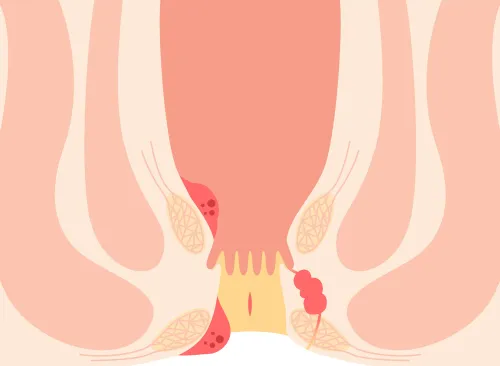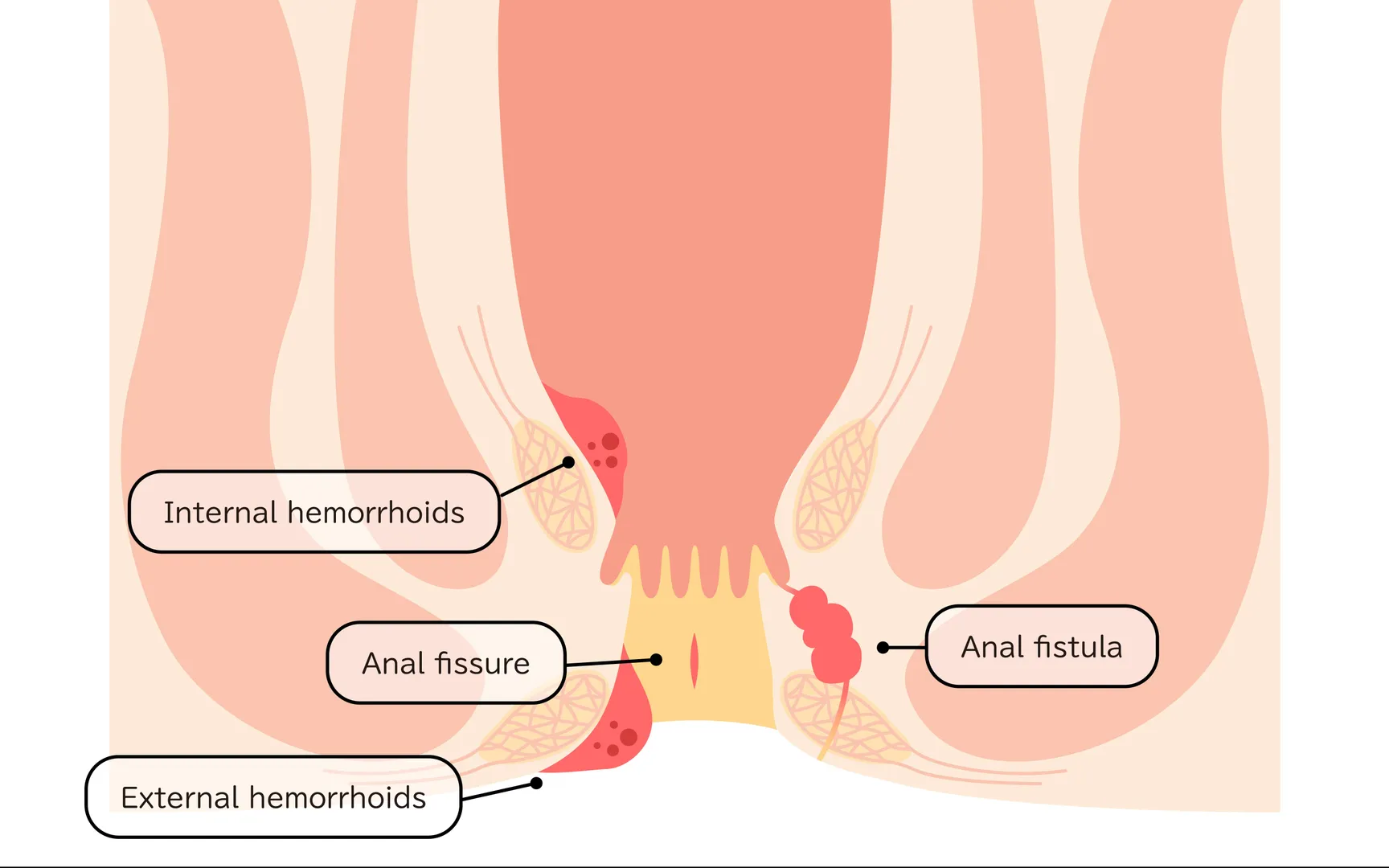
A sharp pain during bowel movements followed by burning discomfort can be a sign of an anal fissure. This small tear in the lining of the anal canal is common and may initially improve with measures that keep stools soft. When symptoms repeatedly return or continue for several weeks, assessment at a Fissure Treatment Hospital can help determine why healing has not occurred.
Patients in Pune, Maharashtra, may delay discussing anal pain because they assume it is caused by piles. However, fissures and hemorrhoids are different conditions and may require different treatment approaches.
What Commonly Causes an Anal Fissure
Anal fissures frequently develop after trauma to the anal lining. Passing a hard or large stool is a common trigger, although prolonged diarrhea and other bowel problems can also contribute.
Typical symptoms include:
- Sharp pain while passing stool
- Burning pain that continues afterward
- Small amounts of bright red blood
- Fear of bowel movements because of pain
- Tightness or spasm around the anal area
Pain can lead some people to delay bowel movements. This can make stools harder and create a cycle in which the fissure repeatedly becomes irritated.
Early Measures Can Support Healing
For a recent fissure, treatment often focuses on reducing constipation and minimizing further trauma.
Helpful measures may include increasing dietary fibre, drinking adequate fluids, remaining physically active, and following appropriate bowel habits. Doctors may recommend stool-softening measures or medicines based on the patient’s condition.
Warm sitz baths can sometimes reduce discomfort and relax the anal muscles.
Self-treatment should not continue indefinitely when symptoms remain unchanged. Persistent rectal bleeding should also be evaluated rather than assumed to be caused by a fissure.
Acute and Chronic Fissures Need Different Consideration
A recently developed fissure may heal with conservative treatment. A chronic fissure has persisted longer and can be associated with muscle spasm, repeated tearing, or tissue changes that interfere with healing.
Doctors assess the duration of symptoms, bowel habits, previous episodes, medications, and associated digestive concerns. Examination helps confirm whether the problem is actually a fissure and rules out other anorectal conditions.
Depending on the findings, treatment can progress from dietary and medical management to procedural or surgical options for selected patients.
When Further Evaluation Becomes Important
Medical assessment is advisable when pain is severe, symptoms continue despite bowel management, bleeding repeatedly occurs, or the condition keeps returning.
Patients should also seek evaluation if bleeding is substantial, bowel habits have changed significantly, there is unexplained weight loss, or symptoms do not fit the usual pattern of a fissure.
For people seeking colorectal and surgical assessment in Pune, Pawar Multispeciality Hospital provides diagnostic and treatment services within a multispeciality healthcare environment. Access to surgical and diagnostic facilities can help when persistent symptoms require further investigation.
Anal pain should not automatically be labelled as piles. Identifying whether the cause is a fissure, hemorrhoids, infection, or another colorectal condition is the first step toward appropriate treatment. Early attention to constipation and bowel habits can help many fissures heal, while persistent cases deserve structured medical assessment.
Keywords