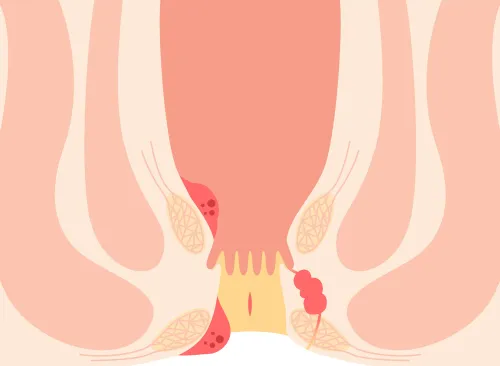
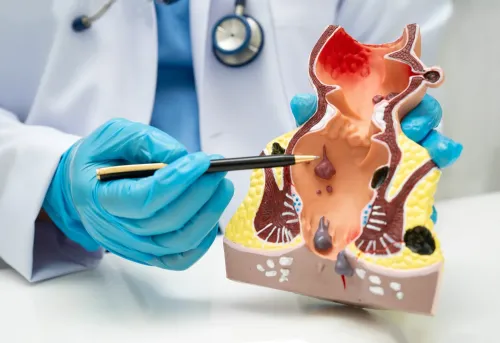
An anal fistula is a condition that develops when an abnormal tunnel forms between the anal canal and the surrounding skin. Although it may begin as an infection, delaying treatment can lead to persistent discomfort, repeated infections, and ongoing drainage. Understanding when to seek care from a fistula hospital can help patients receive timely diagnosis and appropriate treatment.
Many people hesitate to discuss anal health concerns due to embarrassment. However, early medical evaluation often leads to better outcomes and helps prevent complications.
What Causes an Anal Fistula?
Most anal fistulas develop after an anal gland becomes infected and forms an abscess. If the infection does not heal completely, a tunnel may remain between the inside of the anus and the skin.
Other possible causes include:
- Crohn's disease
- Previous anal surgery
- Injury to the area
- Certain infections
- Inflammatory bowel conditions
Proper diagnosis is important because treatment depends on identifying the underlying cause.
Symptoms That Should Not Be Ignored
Common symptoms include:
- Persistent pain near the anus
- Swelling around the anal area
- Recurrent abscesses
- Pus or blood-stained discharge
- Skin irritation
- Pain during sitting
- Discomfort during bowel movements
Symptoms may improve temporarily after drainage but often return if the fistula remains untreated.
How Is an Anal Fistula Diagnosed?
Diagnosis usually begins with a detailed medical history and physical examination.
Depending on the individual case, additional investigations may include:
- Digital rectal examination
- Anoscopy
- MRI scan
- Endoanal ultrasound
- Blood investigations
These tests help determine the fistula's location and complexity before planning treatment.
Treatment Options
The appropriate treatment depends on the type, location, and complexity of the fistula.
Possible options include:
Fistulotomy
This procedure opens the fistula tract to allow healing from the inside out and is often suitable for simple fistulas.
Seton Placement
A surgical thread may be used in certain complex fistulas to control infection while protecting the surrounding muscles.
Advanced Surgical Techniques
More complex cases may require specialized procedures designed to preserve continence while treating the fistula effectively.
The treatment plan should always balance successful healing with preservation of normal bowel control.
Recovery After Treatment
Recovery varies depending on the procedure performed.
Patients are generally advised to:
- Maintain good hygiene
- Follow wound care instructions
- Eat a fibre-rich diet
- Drink sufficient water
- Avoid constipation
- Attend follow-up appointments
Most individuals gradually return to normal activities based on their surgeon's recommendations.
Why Early Evaluation Matters
Ignoring symptoms can increase the likelihood of:
- Recurrent infections
- Persistent pain
- Multiple abscesses
- More complex fistulas
- Longer recovery
Early diagnosis often simplifies treatment and may reduce the risk of future complications.
Choosing the Right Hospital
Patients benefit from hospitals that provide access to experienced surgeons, appropriate diagnostic facilities, and comprehensive postoperative care.
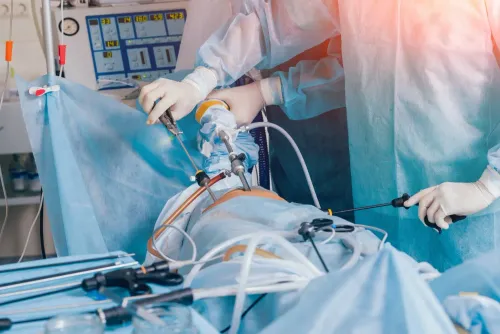
Pawar Multispeciality Hospital offers evaluation and treatment for anal fistula as part of its general and laparoscopic surgical services in Pune. Individual treatment plans are based on clinical findings, imaging when required, and the patient's overall health.
Seeking timely medical attention for persistent anal symptoms helps ensure accurate diagnosis and supports better long-term recovery.
Keywords