Digestive problems are common, but not every stomach or intestinal condition requires surgery. Many gastrointestinal disorders respond well to medication and lifestyle modifications. However, certain symptoms or diseases may require evaluation by a gastrointestinal surgeon to determine whether an operation is the safest and most effective treatment.
If you are looking for a Gastrointestinal Surgery Hospital in Pune, understanding the situations where surgery may become necessary can help you seek timely medical care.
What Does Gastrointestinal Surgery Include?
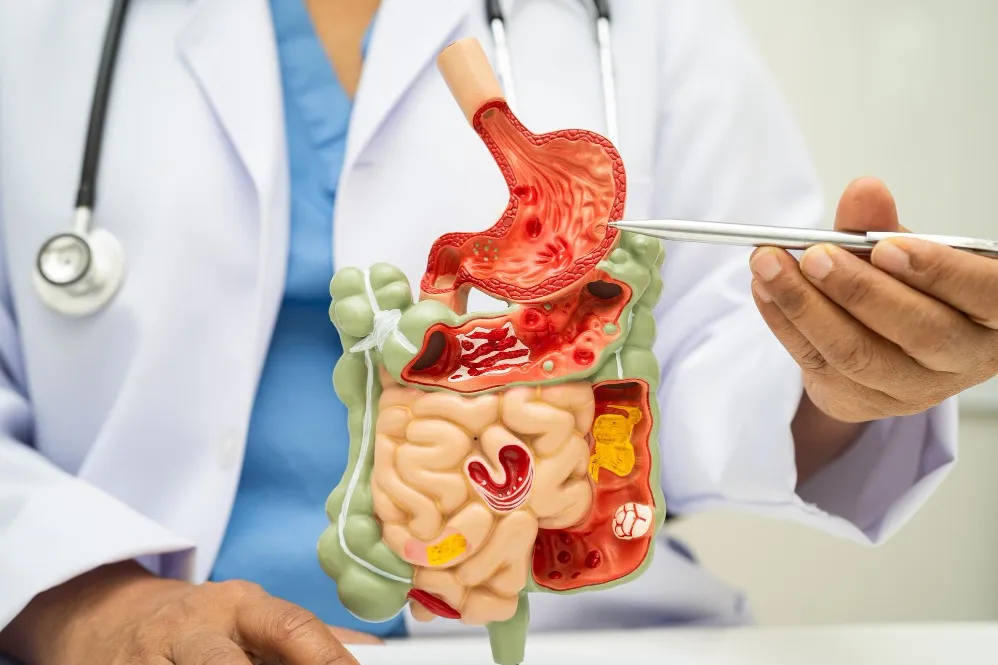
Gastrointestinal surgery focuses on conditions affecting the digestive tract.
This may involve the:
- Esophagus
- Stomach
- Small intestine
- Large intestine
- Rectum
- Appendix
- Gallbladder
- Certain abdominal organs
Treatment recommendations depend on the specific diagnosis rather than symptoms alone.
Symptoms That Should Not Be Ignored
Persistent digestive symptoms deserve medical evaluation, especially when they continue despite treatment.
Warning signs include:
- Ongoing abdominal pain
- Persistent vomiting
- Difficulty swallowing
- Blood in stool
- Unexplained weight loss
- Recurrent bowel obstruction
- Severe bloating
- Persistent constipation or diarrhea
These symptoms may have several causes, making accurate diagnosis essential.
Conditions That May Require Surgery
Surgical treatment may be considered for:
- Gallbladder disease
- Appendicitis
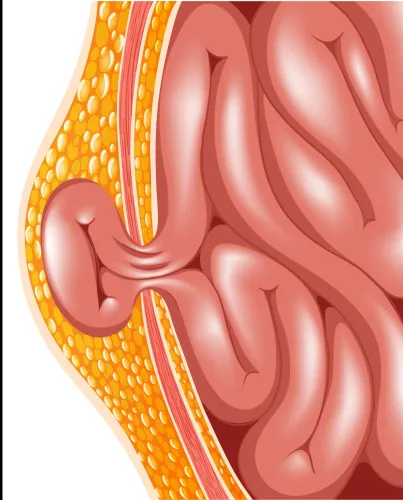
- Hernias affecting the digestive system
- Intestinal obstruction
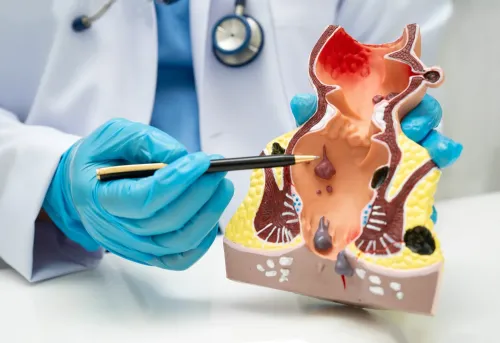
- Certain colorectal conditions
- Gastrointestinal tumors
- Complicated inflammatory bowel disease
- Severe diverticular disease
The need for surgery depends on disease severity, response to medical treatment, and overall health.
How Doctors Decide If Surgery Is Necessary
Before recommending surgery, specialists typically perform:
- Clinical examination
- Blood investigations
- Ultrasound
- CT scan
- MRI when indicated
- Endoscopy or colonoscopy
- Biopsy in selected cases
These investigations help determine both the diagnosis and the most suitable treatment approach.
Can Every Gastrointestinal Condition Be Treated Without Surgery?
Not always.
While medications successfully manage many digestive disorders, delaying surgery in appropriate cases may increase the risk of complications such as infection, perforation, bleeding, or bowel obstruction.
Early consultation allows specialists to decide whether continued medical management or surgery offers the best outcome.
Recovery Following Gastrointestinal Surgery
Recovery varies according to the procedure performed.
Patients are usually advised to:
- Resume activity gradually.
- Follow dietary recommendations.
- Maintain adequate hydration.
- Take medications as prescribed.
- Attend follow-up appointments.
- Report concerning symptoms promptly.
A structured recovery plan helps support healing and reduce postoperative complications.
Selecting a Gastrointestinal Surgery Hospital
Patients often benefit from hospitals that combine experienced surgeons, advanced diagnostic facilities, anesthesia support, and postoperative care under one roof.
Pawar Multispeciality Hospital evaluates gastrointestinal surgical conditions in Pune using individualized assessment and evidence-based treatment planning. Whether surgery is recommended depends on each patient's diagnosis, overall health, and treatment goals.
Timely assessment allows digestive conditions to be managed before they progress into more complex medical problems.
Keywords