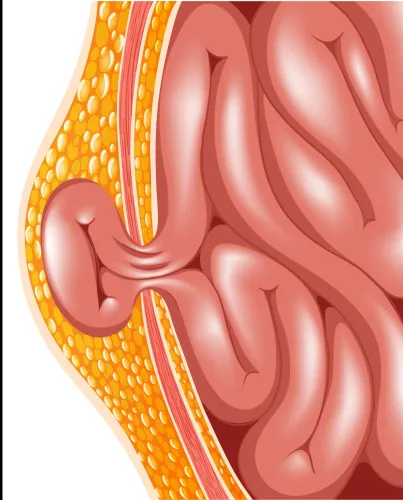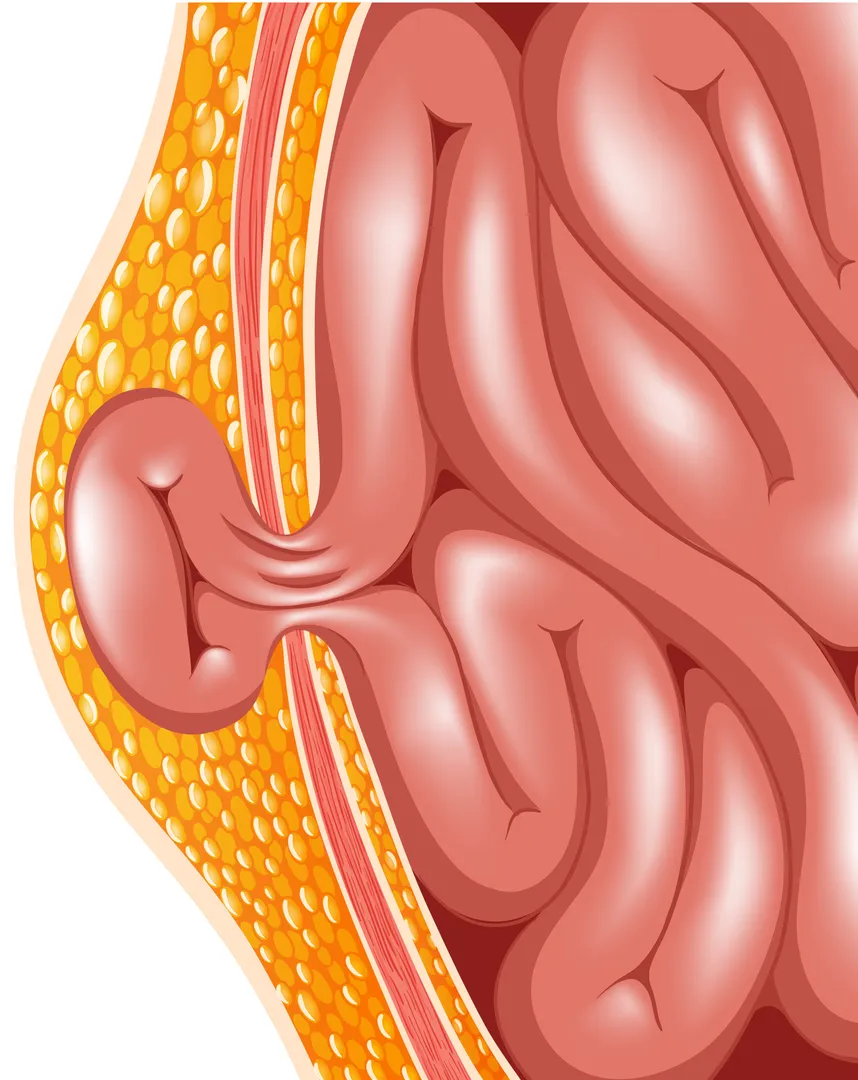
A hernia develops when an internal organ or tissue pushes through a weakened area of muscle or connective tissue. While some hernias remain small for years, others gradually enlarge and become painful or difficult to manage. Since hernias do not heal on their own, surgery is often the definitive treatment.
If you are searching for a Hernia Surgery Hospital in Pune, understanding the surgical process and recovery expectations can help you prepare with greater confidence.
Common Types of Hernias
Several types of hernias may require surgical treatment.
These include:
- Inguinal hernia
- Umbilical hernia
- Femoral hernia
- Incisional hernia
- Epigastric hernia
Each type differs in location, symptoms, and surgical approach.
Symptoms That Should Prompt Medical Evaluation
Many hernias initially appear as a small bulge, but symptoms may gradually worsen.
Common signs include:
- Visible swelling
- Pain while lifting heavy objects
- Discomfort during coughing
- Feeling of pressure in the abdomen
- Bulge that enlarges over time
Emergency medical attention is required if severe pain, vomiting, or an irreducible hernia develops.
How Is Hernia Diagnosed?
Diagnosis usually involves:
- Clinical examination
- Medical history
- Ultrasound when required
- CT scan for selected cases
Most uncomplicated hernias are diagnosed during physical examination.
Surgical Treatment Options
The choice of surgery depends on the hernia's size, location, and complexity.
Possible procedures include:
Open Hernia Repair
A conventional surgical incision is made to repair the weakened muscle, often with mesh reinforcement.
Laparoscopic Hernia Repair
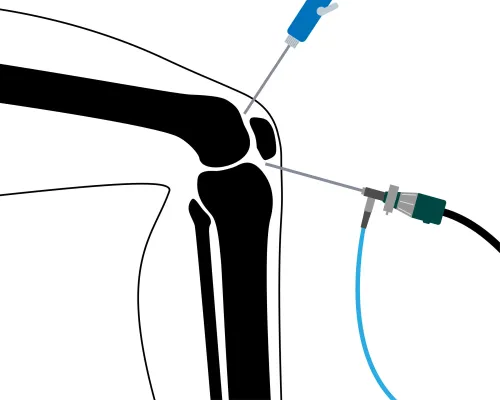
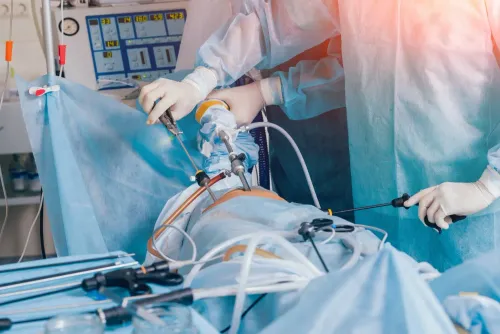
For suitable patients, minimally invasive surgery may involve smaller incisions and potentially quicker recovery.
The surgeon recommends the most appropriate technique after evaluating individual factors.
Recovery Following Hernia Surgery
Recovery varies according to the procedure performed.
Patients are generally advised to:
- Walk regularly after surgery.
- Avoid heavy lifting initially.
- Keep the wound clean.
- Eat a balanced diet.
- Prevent constipation.
- Attend follow-up visits.
Following postoperative advice supports healing and reduces the likelihood of recurrence.
Can Hernias Be Prevented?
Although not all hernias are preventable, the following measures may reduce risk:
- Maintaining a healthy weight
- Treating chronic cough
- Avoiding excessive straining
- Using proper lifting techniques
- Managing constipation
Healthy lifestyle habits also support recovery after surgery.
Choosing a Hernia Surgery Hospital
A hospital's surgical expertise, anesthesia services, and postoperative care all contribute to successful treatment.
Pawar Multispeciality Hospital evaluates and treats hernia conditions in Pune using individualized treatment planning. Depending on the patient's condition, surgeons may recommend open or laparoscopic repair after discussing the benefits and considerations of each approach.
Early surgical consultation helps prevent complications and allows treatment to be planned before the hernia becomes more complex.
Keywords