Laparoscopic surgery has transformed the way many surgical conditions are treated by allowing surgeons to perform procedures through small incisions instead of one large surgical cut. While not every patient is a candidate for minimally invasive surgery, laparoscopic techniques have become a preferred option for many common abdominal conditions because of their potential benefits during recovery.
If you are searching for a Laparoscopy Surgery Hospital in Pune, understanding when laparoscopic surgery may be appropriate can help you have a more informed discussion with your surgeon.
What Is Laparoscopic Surgery?
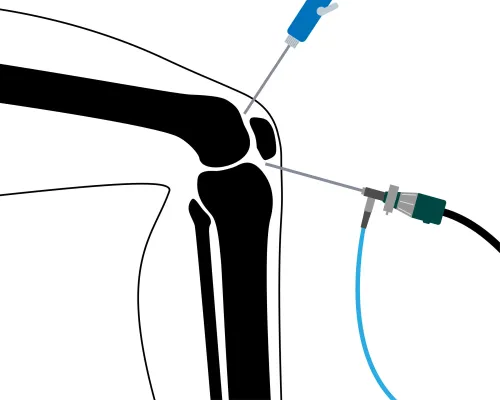
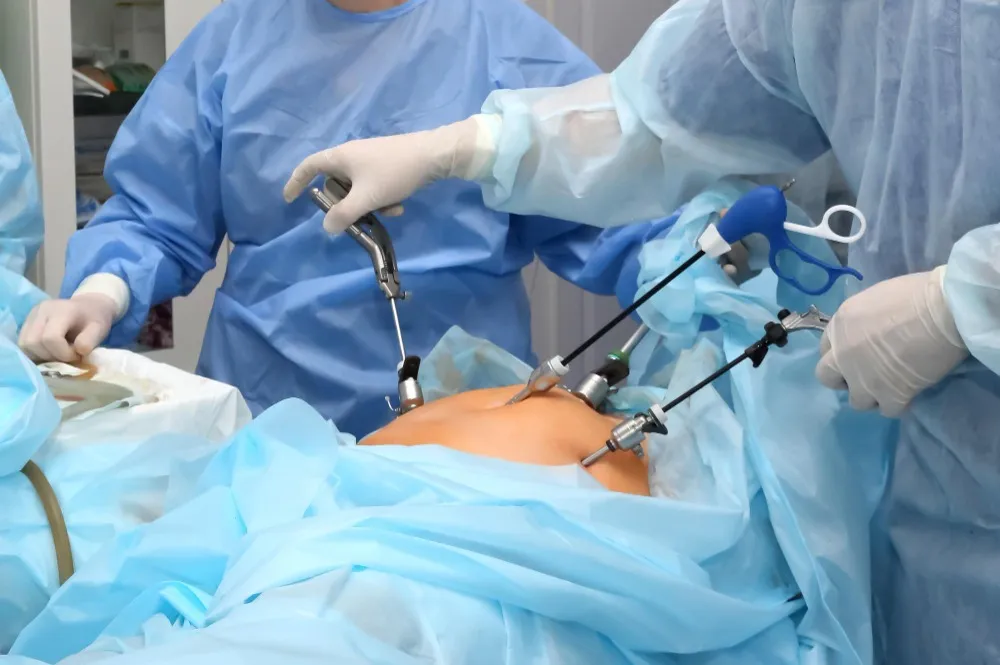
Laparoscopic surgery is a minimally invasive surgical technique in which the surgeon inserts a small camera, called a laparoscope, along with specialized surgical instruments through tiny incisions.
The camera provides a magnified view of the internal organs, allowing many procedures to be completed with precision while minimizing tissue disruption.
Although the technique differs from open surgery, the objective remains the same—treating the underlying medical condition safely and effectively.
Conditions Commonly Treated with Laparoscopic Surgery
Depending on the patient's medical condition and overall health, laparoscopic surgery may be recommended for:
- Gallbladder stones
- Hernia repair
- Appendix removal
- Certain gastrointestinal conditions
- Ovarian cyst surgery
- Selected gynecological procedures
- Diagnostic abdominal procedures
Not every condition can be treated laparoscopically, and the final decision depends on individual clinical findings.
Potential Advantages Compared to Open Surgery
Patients often ask why surgeons recommend laparoscopy whenever possible.
Some potential benefits include:
- Smaller surgical incisions
- Reduced postoperative discomfort
- Lower blood loss in many procedures
- Shorter hospital stay for suitable cases
- Faster return to daily activities
- Smaller scars
- Lower risk of certain wound-related complications
These benefits vary depending on the type of surgery, patient health, and surgical complexity.
Situations Where Open Surgery May Still Be Necessary
Laparoscopic surgery is not always the most appropriate choice.
Open surgery may be considered when:
- The disease is extensive
- There is significant internal scarring
- Emergency complications are present
- The patient's condition requires a different surgical approach
- Safe laparoscopic access is not possible
In some procedures, surgeons may begin laparoscopically and convert to open surgery if required for patient safety.
Preparing for Surgery
Preparation usually includes:
- Medical examination
- Blood investigations
- Imaging studies when required
- Review of medications
- Fasting instructions
- Discussion of anesthesia
Following preoperative instructions helps reduce surgical risks and supports smoother recovery.
Recovery After Laparoscopic Surgery
Recovery depends on the procedure performed.
Patients are generally encouraged to:
- Walk as advised after surgery
- Follow dietary recommendations
- Take prescribed medications
- Avoid heavy lifting initially
- Attend scheduled follow-up visits
- Report unusual pain or fever promptly
Most patients gradually resume normal activities according to their surgeon's advice.
Choosing a Laparoscopy Surgery Hospital
A hospital's surgical expertise, operating facilities, anesthesia services, and postoperative care all contribute to patient safety.
Pawar Multispeciality Hospital provides laparoscopic surgical services in Pune after thorough clinical evaluation. The surgical team determines whether minimally invasive surgery or conventional surgery is more appropriate based on the patient's diagnosis, medical history, and overall condition.
Understanding your available surgical options allows you to participate actively in treatment decisions and prepare confidently for surgery.
Keywords