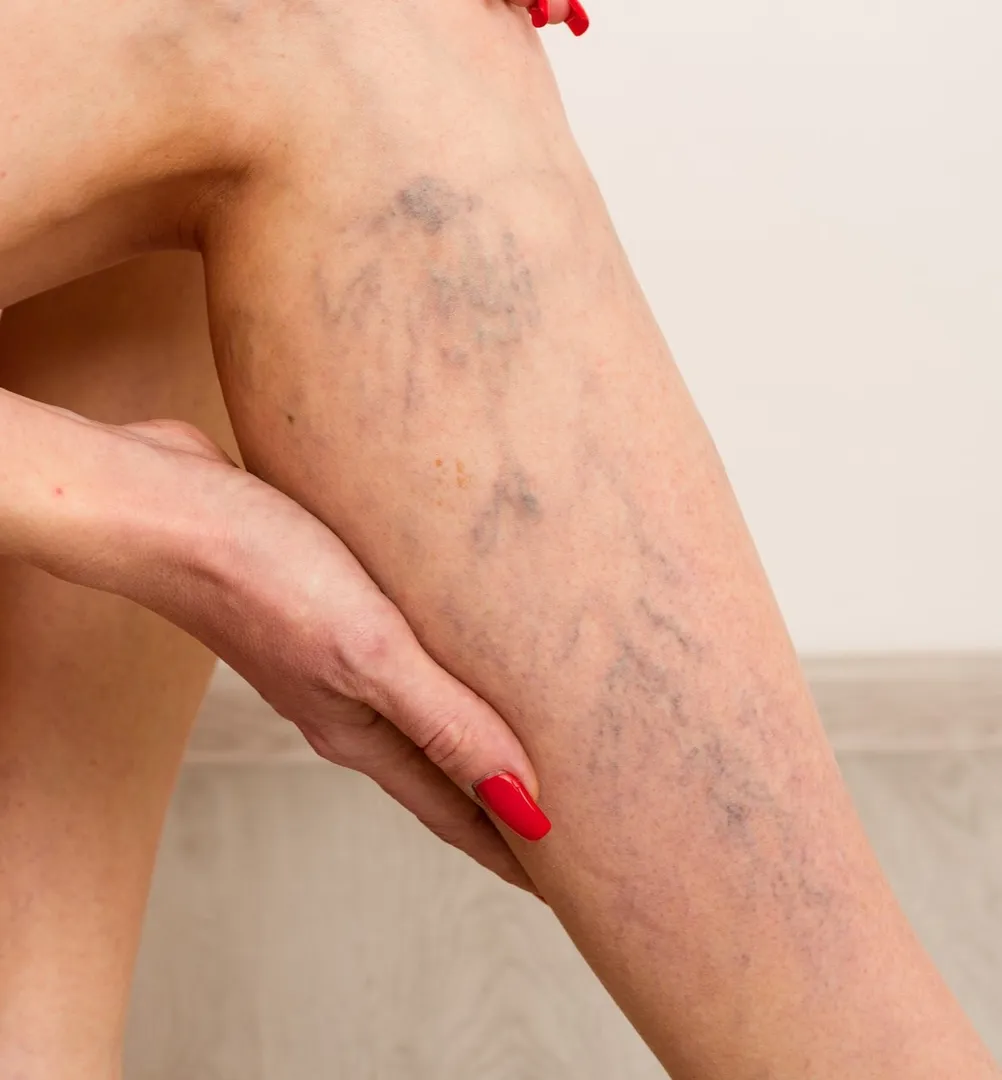
Varicose veins are enlarged, twisted veins that commonly develop in the legs. For some people, they are mainly a cosmetic concern. For others, they cause aching, heaviness, swelling, itching, skin changes, or discomfort that becomes worse after prolonged standing. Knowing when to seek evaluation at a Varicose Veins Treatment Hospital can help prevent patients from overlooking symptoms that deserve medical attention.
In Pune and across Maharashtra, occupations and routines involving long periods of standing or sitting can make leg symptoms particularly noticeable. While lifestyle measures can sometimes reduce discomfort, persistent symptoms should be assessed to determine the severity of venous disease.
Why Varicose Veins Develop
Veins carry blood back toward the heart. Valves inside the leg veins help prevent blood from flowing backward. When these valves become weak or ineffective, blood can pool within the veins, increasing pressure and causing them to enlarge.
Several factors can increase the likelihood of developing varicose veins, including:
- Family history
- Increasing age
- Pregnancy
- Excess body weight
- Long periods of standing
- Limited physical activity
- Previous vein problems
The visible appearance of veins does not always indicate how severe the underlying condition is. Symptoms and clinical findings are equally important.
Symptoms That Should Not Be Ignored
Mild visible veins without discomfort may not require immediate intervention. Evaluation becomes more important when patients experience persistent heaviness, aching, swelling around the ankles, burning sensations, itching, nighttime cramps, or skin discoloration.
Changes in the skin near the ankle can indicate long-standing venous pressure. In more advanced cases, wounds or ulcers may develop and become difficult to heal.
Sudden swelling, significant pain, warmth, or redness in one leg requires timely medical assessment because these symptoms can be associated with conditions other than uncomplicated varicose veins.
How Doctors Evaluate the Problem
Assessment usually begins with a physical examination and discussion of symptoms. Doctors may evaluate whether swelling changes during the day and whether symptoms are associated with standing, walking, pregnancy, previous blood clots, or other medical conditions.
A Doppler ultrasound may be recommended to examine blood flow and identify veins with abnormal valve function. This information helps determine whether conservative management or a procedure is appropriate.
Management Depends on Severity
Not every patient requires surgery. Early management can include regular walking, avoiding prolonged inactivity, weight management when appropriate, leg elevation, and compression therapy when advised by a doctor.
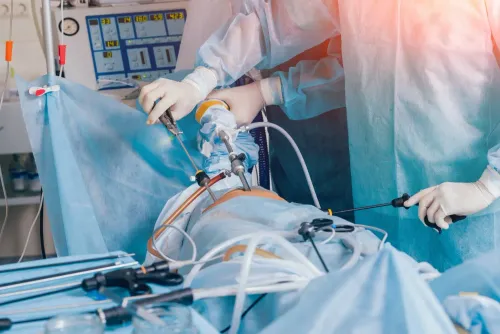
Patients with significant venous reflux or persistent symptoms may be considered for minimally invasive procedures or surgical treatment depending on clinical findings.
A hospital setting can be particularly useful when a patient has diabetes, cardiovascular concerns, obesity, previous thrombosis, chronic wounds, or other conditions that may influence treatment planning. Pawar Multispeciality Hospital in Pune provides multidisciplinary assessment for patients requiring coordinated medical, diagnostic, and surgical care.
Varicose veins should therefore be viewed according to symptoms and circulation rather than appearance alone. Early assessment of persistent pain, swelling, skin changes, or ulcers can clarify the underlying problem and help patients choose an appropriate treatment pathway.
Keywords