Varicose veins are often viewed as a cosmetic concern, but for many people they can cause persistent discomfort, swelling, and changes in skin health. While some cases remain mild for years, others gradually worsen and begin affecting daily activities. Understanding when professional evaluation is needed can help prevent complications and improve quality of life.
If you are searching for a Varicose Veins Treatment Hospital in Pune, it is helpful to know the symptoms that require medical attention and the treatment options that may be available.
What Are Varicose Veins?
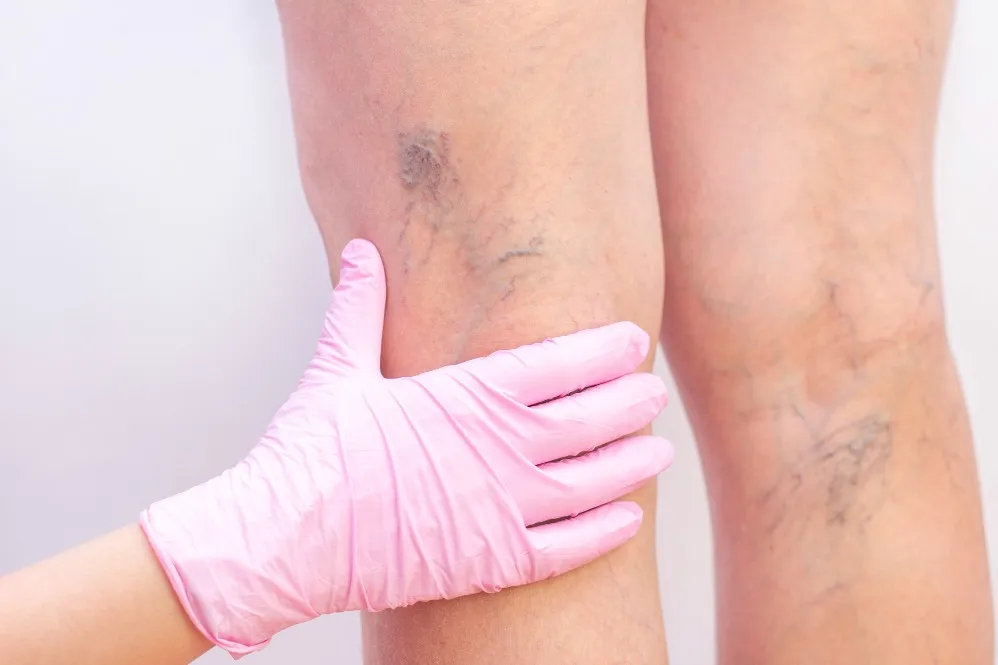
Varicose veins are enlarged, twisted veins that usually develop in the legs because of weakened vein valves. These valves normally help blood flow back toward the heart. When they become less efficient, blood can collect inside the veins, causing them to enlarge.
Although anyone can develop varicose veins, they become more common with age and prolonged standing.
Common Symptoms
Not everyone experiences pain, but symptoms may include:
- Visible enlarged blue or purple veins
- Aching or heaviness in the legs
- Swelling around the ankles
- Muscle cramps, especially at night
- Itching around affected veins
- Skin discoloration
- Fatigue after standing for long periods
These symptoms often become more noticeable by the end of the day.
Who Has a Higher Risk?
Several factors increase the likelihood of developing varicose veins.
These include:
- Family history
- Pregnancy
- Obesity
- Occupations involving prolonged standing
- Increasing age
- Previous leg injury
People with multiple risk factors may benefit from earlier medical evaluation.
How Are Varicose Veins Diagnosed?
Diagnosis generally includes:
- Medical history
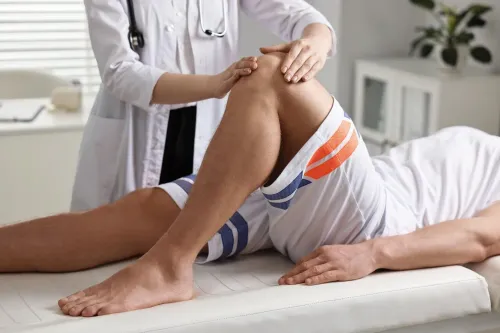
- Physical examination
- Duplex Doppler ultrasound
The ultrasound helps assess blood flow and identify faulty vein valves before deciding on treatment.
Available Treatment Options
Treatment depends on symptom severity and the condition of the veins.
Possible management approaches include:
Conservative Care
Many patients begin with:
- Compression stockings
- Weight management
- Walking regularly
- Elevating the legs
- Avoiding prolonged standing
Minimally Invasive Procedures
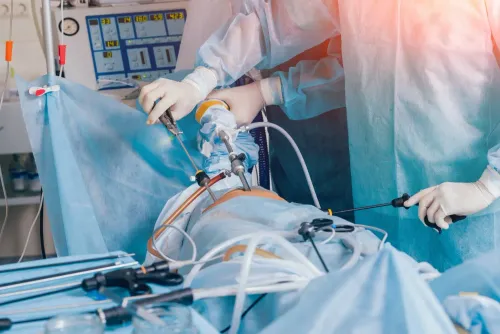
For suitable patients, doctors may recommend minimally invasive procedures that close or remove damaged veins while preserving healthy circulation.
Surgical Treatment
Some advanced cases may require surgical intervention depending on the extent of vein disease.
Why Early Treatment Matters
Ignoring symptomatic varicose veins may increase the risk of:
- Skin ulcers
- Bleeding
- Chronic swelling
- Skin pigmentation
- Superficial vein inflammation
Early treatment often improves comfort and helps reduce long-term complications.
Choosing a Varicose Veins Treatment Hospital
Selecting a hospital with vascular surgery expertise, diagnostic imaging, and comprehensive postoperative care is important for effective treatment planning.
Pawar Multispeciality Hospital evaluates patients with varicose veins in Pune through detailed clinical assessment and vascular investigations where appropriate. Treatment recommendations are individualized according to symptom severity, vein function, and the patient's overall health.
Understanding the progression of varicose veins allows patients to seek timely medical advice instead of waiting until symptoms become more severe.
Keywords